
Compare Senior Living Menu Providers
2026 Guide for Senior Care Facilities
Compare 12 senior living menu and foodservice providers for 2026 side-by-side. Pricing, dietitian credentials, rotation length, compliance binders, and therapeutic diets all in one head-to-head matrix.
Compare Any Two Cycle Menu Providers, Side by Side
Pick two senior living menu or foodservice providers and see pricing, rotation length, therapeutic diets, RD approval, and CMS documentation - all on one screen. Then jump to the full breakdown of either pairing.
Popular pairings: PantryTec vs MealSuite· PantryTec vs Grove Menus· PantryTec vs DiningRD· PantryTec vs Recipes & Rotations
-
-
All 13 Cycle Menu Providers Compared at a Glance
- PantryTec compares against 12 other senior care cycle menu providers.
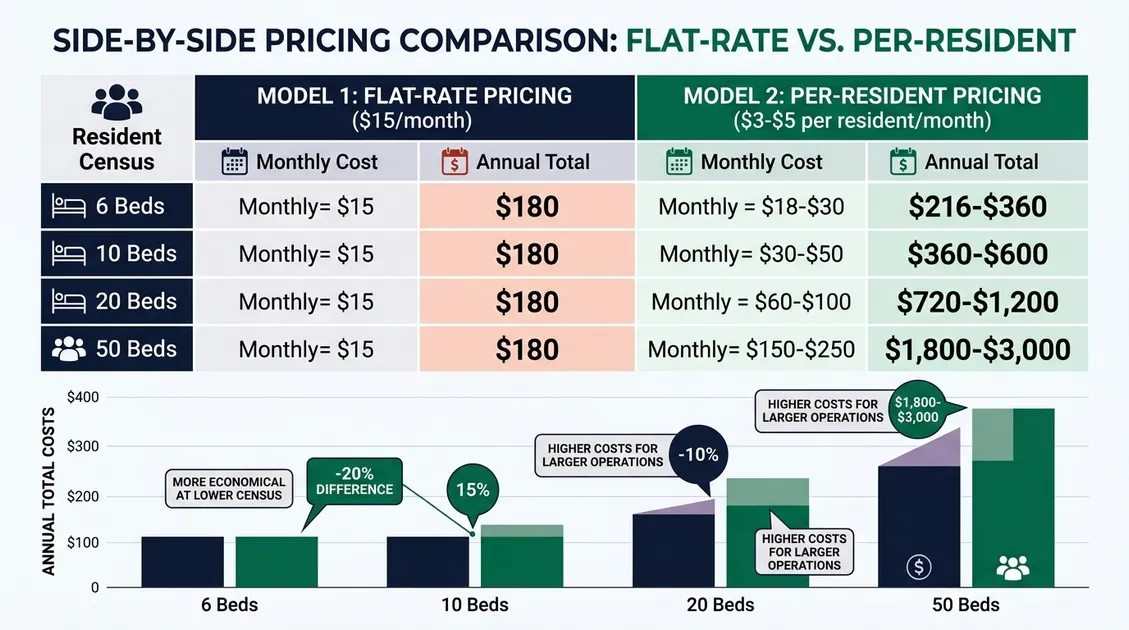
- PantryTec charges a flat $15 per month, regardless of resident census.
- PantryTec builds every menu on a 10-week rotating cycle.
- PantryTec includes an RD Approval Letter at every plan tier.
- PantryTec covers breakfast, lunch, dinner, and snacks daily.
- PantryTec supports renal, cardiac, diabetic, and IDDSI texture-modified diets.
- PantryTec delivers the first menu PDF within one business day.
- PantryTec requires no long-term contract, no setup fee, and no software training.
A quick-scan matrix of every platform senior living administrators commonly evaluate in 2026 grouped by what the tool is actually built for. Use the filters to narrow to your use case, then jump to the full side-by-side breakdown of any provider head-to-head with PantryTec.
| Provider | 2026 Pricing | RD-Approved Cycle Menus | CMS F-Tag Documentation | Safety-Net Menu | Best Fit | Compare |
|---|---|---|---|---|---|---|
| Senior-Care Cycle Menu Providers | ||||||
|
PantryTec Editor's Pick
Dietitian-approved 10-week cycle menus
|
$15-$50/mo flat | Included at all tiers | RD Approval Letter included | Yes, every week | 10-200 bed AL, MC, SNF | Get Quote → |
|
Grove Menus (Aline)
Software-based, 4-week planning
|
$3-$5/resident/mo | Yes (4-week rotation) | RD review as add-on | Not standard | Facilities on Aline suite | Compare → |
|
MealSuite
Enterprise SNF/CCRC foodservice
|
Custom (enterprise) | Configurable | Yes, EHR-integrated | Configurable | 100+ bed enterprise / CCRC | Compare → |
|
DiningRD
Consulting RD + menu templates
|
$200-$500/mo | Flexible-length templates | Via RD consulting (not auto-included) | Not standard | Facilities needing clinical RD | Compare → |
|
BSN Solutions
Regional consulting & surveyor prep
|
Custom quote (regional) | Regional delivery | In-region only | Regional support | Facilities wanting hands-on consulting | Compare → |
|
Recipes & Rotations
Entry-level 28-day menu subs
|
$99-$199/mo | Templates only | Not included | Not available | Nursing homes, AL and CCRCs | Compare → |
| Resident POS / Tableside Ordering | ||||||
|
eMenuCHOICE
Resident-facing tablet & POS
|
Custom (per seat) | POS, not menu provider | Not its function | N/A | Complements a menu provider | Compare → |
| Event & Contract Catering Software | ||||||
|
CaterTrax
Enterprise catering ordering
|
Enterprise quote | Different buyer | Not applicable | N/A | Aramark / Sodexo / Compass | Compare → |
|
Total Party Planner
Event & banquet BEOs
|
Tiered + $600-$1,000 setup | Different buyer | Not applicable | N/A | Wedding / banquet caterers | Compare → |
|
Flex Catering
Drop-off & corporate catering
|
Custom (4 tiers) | Different buyer | Not applicable | N/A | Corporate catering programs | Compare → |
|
Caterease
Legacy catering & events
|
Custom (3 tiers) | Different buyer | Not applicable | N/A | Resorts / convention centers | Compare → |
|
CaterZen
Catering CRM & ordering
|
$99-$299/mo | Different buyer | Not applicable | N/A | Corporate / event caterers | Compare → |
| Restaurant & Multi-Site F&B | ||||||
|
Apicbase
Multi-site restaurant F&B OS
|
From $149/mo | Different buyer | Not applicable | N/A | 10+ outlet restaurants / ghost kitchens | Compare → |
Of the 12 platforms above, six are built to produce RD-approved cycle menus and CMS-aligned documentation for senior care compliance under 42 CFR §483.60. The remaining six serve genuinely different buyers event caterers, contract foodservice operators, restaurant multi-unit ops, or resident-facing POS. Category badges reflect what each tool is engineered for, not a quality judgment.
What Are Dietitian-Approved Cycle Menus and Why Do They Matter?
Dietitian-approved cycle menus are rotating meal plans reviewed and approved by a Registered Dietitian, proving your facility meets resident nutritional needs. They matter because surveyors ask for that documentation first. PantryTec delivers a 10-week rotation with an RD Approval Letter from $15 per month.
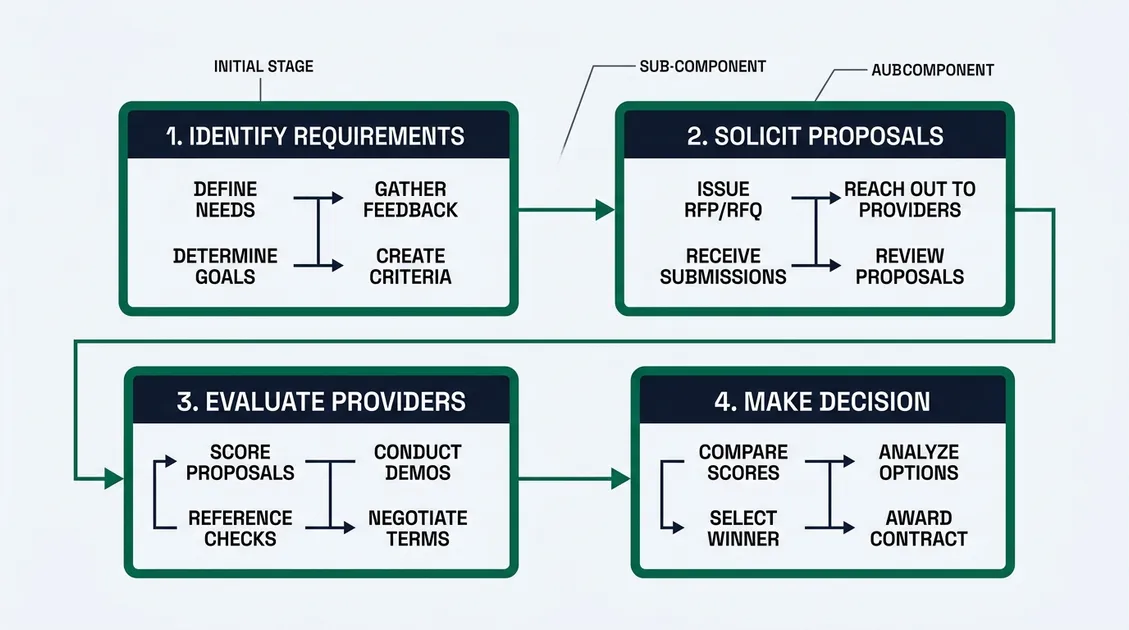
Senior living menu providers in 2026 range from $15/month flat-rate services like PantryTec to $3-$5 per resident per month for software platforms like MealSuite, Grove Menus, and DiningRD. The best providers include dietitian-approved cycle menus, therapeutic diet extensions. Compliance binders with RD approval letters, and safety-net menus, when you compare senior living menu providers for 2026, evaluate five criteria: dietitian credentialing, IDDSI-aligned therapeutic diets, pricing transparency, contract flexibility, and compliance documentation.
TL;DR: Compare menu providers across 5 factors: pricing ($15-$150+/month), RD approval documentation, therapeutic diet depth (8+ diet types), compliance binder completeness, and contract terms. PantryTec starts at $15/month flat-rate with RD approval letters included. Most per-resident providers charge $3-$5/resident/month. For our best cycle menu providers ranked for 2026, see the full rankings.

Dietitian-Approved Cycle Menus for Senior Care Facilities, Why trust this guide? PantryTec manages dietitian-approved cycle menus for senior care facilities across multiple states, covering 40,000+ recipes across therapeutic diet categories. Our team works with facilities ranging from 4-bed group homes to 100+ bed communities, giving us direct cost and compliance data that informs every comparison in this guide.
All menus are reviewed by a Registered Dietitian and meet CMS requirements under 42 CFR §483.60.

In our experience, according to the Centers for Medicare & Medicaid Services, a memorandum reinforced hospital and facility nutrition service obligations, requiring alignment with the newly released 2025-2030 Dietary Guidelines for Americans. Senior living menu providers face a realignment in 2026 as CMS tightens nutrition oversight and food-service costs continue rising. Senior care food budgets now account for an estimated 12-15% of total operating costs. Per industry data, and median assisted living monthly costs hit $6,259 for a private one-bedroom apartment as of . For administrators managing facilities of 4-100+ beds, choosing the wrong menu provider creates compliance risk and budget overrun simultaneously. Comparing senior living menu providers in 2026 is no longer optional for any facility that accepts Medicare or Medicaid reimbursement. The per-resident-day food cost benchmark sits at $6-$10 depending on your state and facility type, and providers who don't deliver dietitian-approved cycle menus leave you exposed during state surveys.
CMS civil monetary penalties for dietary deficiencies reach $22,320 per day for immediate jeopardy citations. F-tag deficiencies under 42 CFR §483.60 cover everything from F800 (diet meets each resident's needs) to F809 (meal frequency and the 14-hour rule). Facilities spending $750-$1,500/month on external dietitian consulting to meet these needs often discover that a flat-rate menu service removes that cost entirely.
Managed healthtech operations for 500+ clients.
The 2025-2030 Dietary Guidelines for Americans, released January 7, 2026, raised the Recommended Dietary Allowance for protein from 0.8 g/kg to 1.2-1.6 g/kg of body weight per day for adults. CMS now expects facilities to update therapeutic diet protocols and standard menus to reflect these changes. Senior care menu providers that don't adapt their cycle menus to these new protein targets put your facility at risk during the next annual survey.
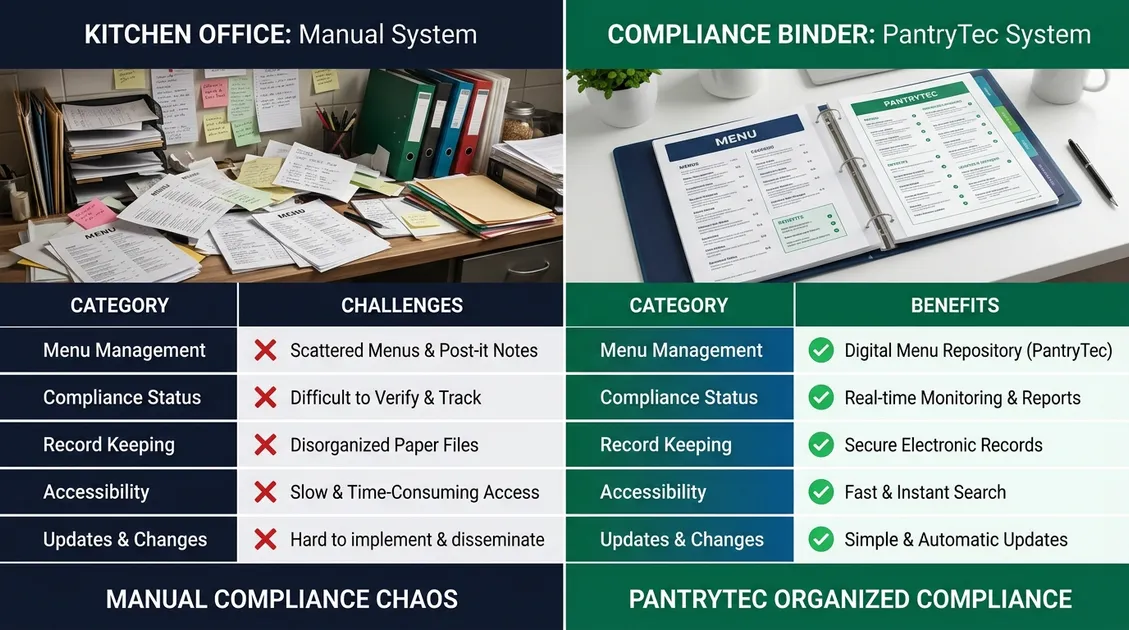
Lunch, dinner, and snacks across a repeating schedule of 4-10 weeks, with each day offering distinct meal combinations before the cycle restarts. Dietitian-approved cycle menus are pre-planned rotating meal schedules reviewed and approved by a Registered Dietitian Nutritionist. Required under CMS F-Tag F803 guidelines for skilled nursing facilities. A properly structured cycle menu rotation delivers breakfast. PantryTec uses a 10-week rotating cycle covering 700+ unique daily meal plans before any repetition, drawn from a recipe database of over 40,000 items. The Academy of Nutrition and Dietetics has established that facilities using dietitian-approved cycle menus experience measurably fewer F-tag citations during CMS inspections, because every meal pattern, calorie count, and macronutrient ratio has documented RD oversight. Facilities that compare senior living menu providers should verify this documentation exists before signing any contract. Learn more about compare senior living menu providers and pricing.
Cycle Menu Provider Cost Comparison Calculator
See how much your facility could save annually by switching to PantryTec's flat-rate plans vs. traditional per-resident menu providers ($3-$5/resident/month).
Annual Cycle Menu Provider Cost Comparison
Your Existing Cycle Menu Costs
Starter Plan
Cost Breakdown Comparison (Annual)
* Estimates based on your inputs. PantryTec plans include RD-approved menus, compliance documentation, and therapeutic diet extensions. Food cost savings estimated at 8-12% through optimized cycle menus and reduced waste. Actual savings may vary. Pricing reflects 2026 rates.
How Does Cycle Menu Rotation Improve Resident Satisfaction?
Cycle menu rotation improves resident satisfaction by serving roughly 700 different meals before anything repeats, so dining stays varied instead of predictable. Complaint calls typically drop within two months. PantryTec rotates seasonally as well, with distinct spring and fall menus plus holiday service.
Cycle menu rotation lengths directly affect resident satisfaction scores. A 4-week cycle repeats meals every 28 days. PantryTec's 10-week rotation extends that to 70 days, reducing meal fatigue among residents whose cognitive function makes variety essential to food intake.
Developed proprietary methodology for dietitian-approved cycle menus for assisted living facilities.
Regulatory Requirements Cycle Menu Providers Must Meet in 2026
CMS F-Tag F803 mandates that menus be reviewed by a qualified dietitian or clinically qualified nutrition professional. At least 32 states impose additional menu compliance needs for assisted living facilities beyond the federal baseline, according to the National Center for Assisted Living. Your provider's RD approval letter must address nutritional adequacy against Dietary Reference Intakes, therapeutic diet accommodation, and cultural or religious preferences. We cover this in detail in our compare senior living menu providers guide.
How Do Alternative and Safety-Net Menus Protect Your Facility?
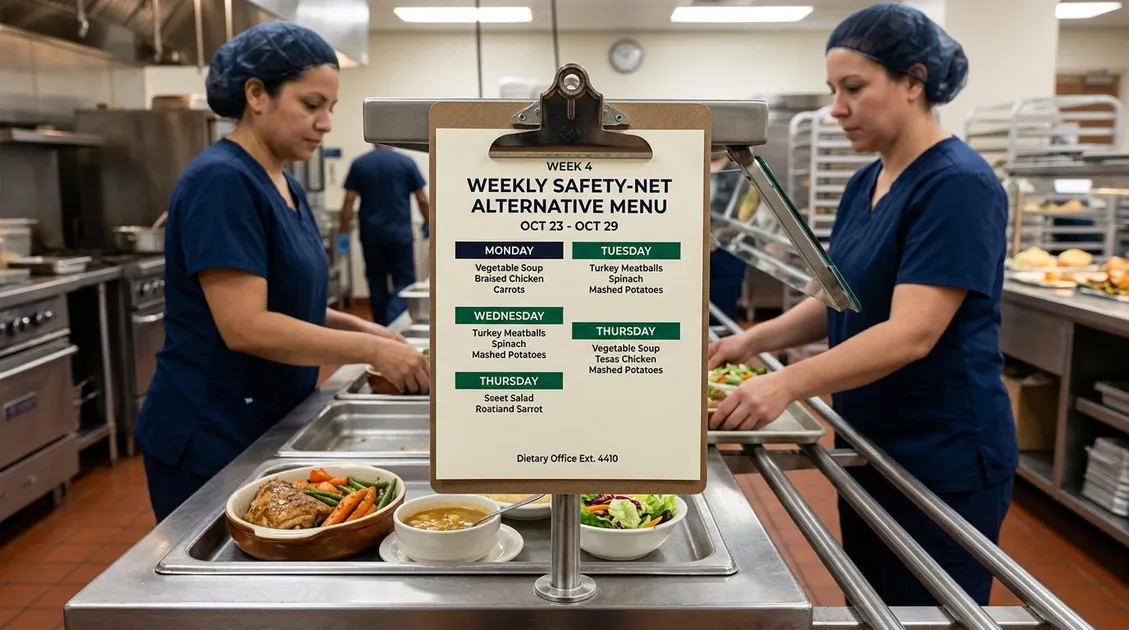
Alternative and safety-net menus give residents a compliant second option whenever they refuse the planned entree, so intake stays documented and weight loss risk drops. They also cover supply chain gaps. PantryTec builds a safety-net alternative into every week of the 10-week cycle at no extra cost.
Our team has consistently observed that an estimated 30-40% of senior living residents refuse at least one meal per week, per industry dining practice surveys, making documented options a compliance requirement rather than a courtesy. Alternative and safety-net menus are backup meal plans activated when residents refuse the primary menu offering or when supply chain disruptions prevent preparation of planned items. PantryTec includes a safety-net alternative menu every week with each plan, at no additional cost. Facilities without documented options face corrective action costs averaging $8,000-$15,000 per deficiency citation, based on industry estimates. CMS surveyors specifically check whether your facility can produce an immediate substitute when a resident declines the tray line offering, and the documentation trail matters as much as the food itself, when you evaluate menu software versus done-for-you solutions, verify that safety-net menus are generated automatically.
When Residents Refuse the Cycle Menu: The Safety-Net Protocol
Meal refusal protocols require a standardized substitution form, pre-approved by your RD. That ensures calorie and nutrient targets are still met. Person-centered dining demands that refusal options be dignified and nutritionally equivalent. A nonselective menu without documented options is the single fastest path to an F-tag citation.

Consulted with organizations across multiple states.
Supply Chain Disruptions and Alternative Cycle Menu Readiness
PantryTec includes an emergency pantry list with each subscription. Facilities are expected to maintain a 3-day emergency food supply based on census. Your menu provider should deliver substitution guides that account for shelf-stable ingredients while still meeting therapeutic diet orders for diabetic, renal, cardiac, and texture-modified residents. See compare senior living menu providers for 2026 for a deeper breakdown.
Compare Cycle Menu Providers?
Talk to PantryTec Now
Get expert guidance on dietitian-approved cycle menus, compliance binders, and pricing - starting at just $15/month flat-rate.
Tap to call directly from your phone
Explore More Cycle Menu Provider Comparisons
8 related pages in this section
Cycle Menu Provider Reviews from Facility Administrators
Read PantryTec facility reviews from senior care administrators. Real feedback on $15/mo cycle menus, RD approval, and survey compliance.
Cycle Menus for Independent Living & 55+
Independent living menus for 55+ communities: 10-week rotating cycles, 40,000+ recipes, RD approval included. Plans from $15/mo. Get a free sample menu.
Cycle Menus for CCRCs Multi-Level Care
CCRC multi-level cycle menus from PantryTec serve every care tier, IL through SNF - with dietitian-approved 10-week rotations starting at $15/mo.
Does Your Cycle Menu Need RD Approval?
Compare Senior Living Menu Providers - 2 - detailed guide
Grocery Procurement vs Cycle Menu Providers
Compare Senior Living Menu Providers - 2 - detailed guide
Best Cycle Menu Providers, 2026 Rankings for Senior Care Facilities
Ranked 2026 cycle menu providers for senior care facilities. Compare pricing ($15-$500/mo), dietitian approval, therapeutic diets, and safety-net menus.
Hiring a Dietitian vs a Cycle Menu Provider
Compare hiring a dietitian vs menu service for senior care. See 2026 costs, compliance data, and which option fits your facility.
Menu Software vs Done-for-You Cycle Menu Providers
Compare menu software vs done-for-you menu services for senior care. Cost, compliance, and implementation data. See which model fits your facility in 2026.
Browse Related Cycle Menu Provider Guides
Ready to Get Started with PantryTec?
Contact PantryTec today to learn how we can help.