
Soft and bite-sized menus for IDDSI Level 6, RD approved
Soft and bite-sized menus for IDDSI Level 6,
approved by a Registered Dietitian.
IDDSI Level 6 soft and bite-sized cycle menus for senior care, tested for fork-pressure and portion size, delivered as a print-ready PDF. Included from the Complete plan at $20/mo, billed annually.
Reviewed by Bridget MacDonald, RD
Soft and Bite-Sized Menu, IDDSI Level 6
Approved by a Registered Dietitian
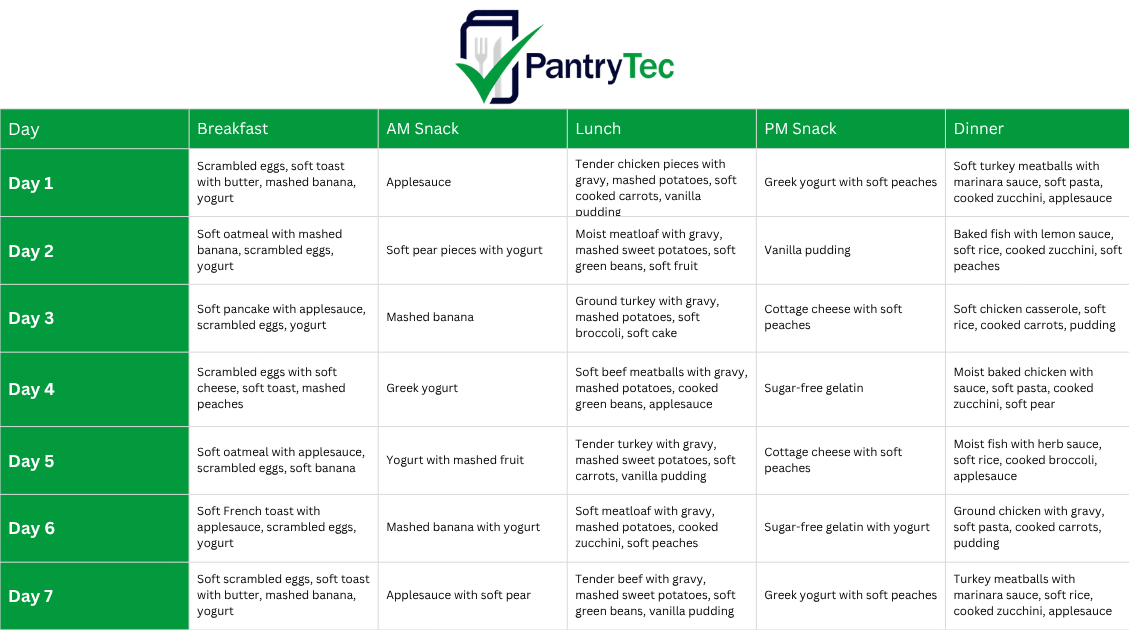
TL;DR - Soft & Bite-Sized Diet at a Glance
IDDSI Level 6 soft and bite-sized menus require all solid foods to measure ≤1.5 cm, pass the Fork Pressure Test (squashes without springing back), and stay continuously moist through gravies, sauces, or broths. PantryTec delivers RD-approved, 10-week rotating cycle menus covering 7-day breakfast-lunch-dinner schedules with ground proteins, fork-mashable sides, and built-in therapeutic diet extensions starting at $20/month on the Complete plan (billed annually) regardless of facility census. Download a free sample menu or compare plans.
Soft and bite-sized diet IDDSI 6 for senior care facilities addresses one of the most common texture-change needs in long-term care dining. Soft and bite-sized diets at IDDSI Level 6 are part of a facility's standardized therapeutic texture modification program, serving residents with mild-to-moderate chewing or swallowing difficulties.
What Defines an IDDSI Level 6 Soft & Bite-Sized Diet?
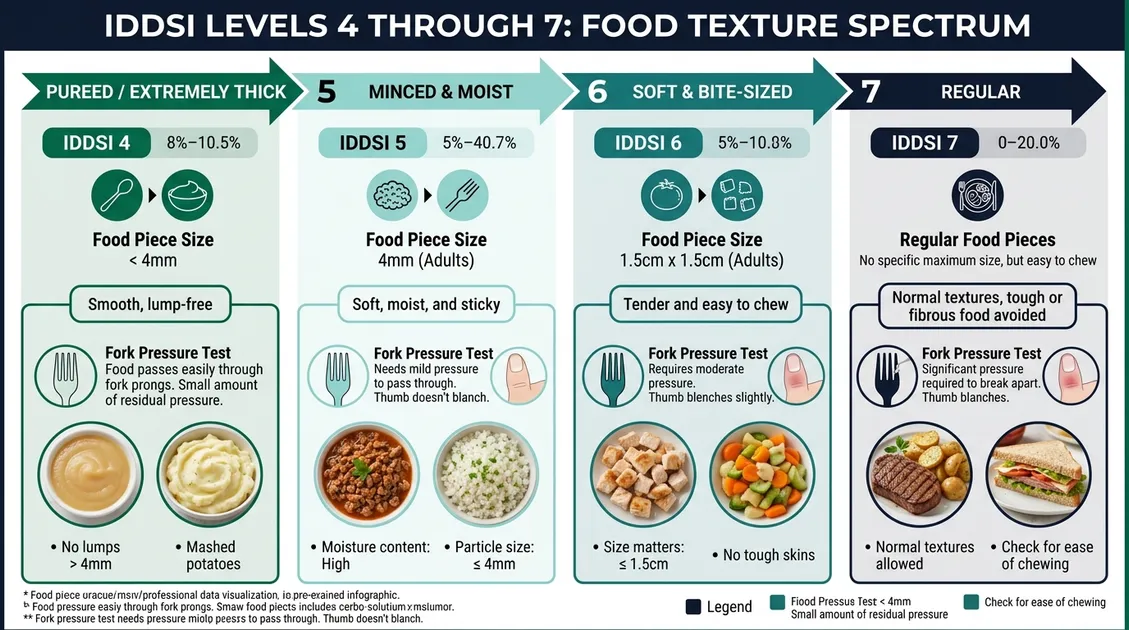
IDDSI Level 6 soft and bite-sized food requires pieces measuring no larger than 1.5 cm × 1.5 cm × 1.5 cm, a texture that squashes under fork pressure without crumbling or springing back, and continuous moisture to prevent bolus fragmentation during swallowing. This classification sits between IDDSI Level 5 (Minced & Moist) and IDDSI Level 7 (Regular/Easy to Chew).
Soft, Moist & Cohesive
IDDSI Level 6 food must be tender enough to squash with a fork, consistently moisture-controlled through gravies or sauces, and cohesive enough to hold together during the oral phase of swallowing.
No Biting Required
Soft and bite-sized menus serve residents who cannot safely bite off pieces or manipulate firm textures in the mouth. Pieces must be pre-cut to ≤1.5 cm so tongue pressure alone moves the bolus to the pharynx.
Fork Pressure Test
IDDSI Level 6 compliance requires passing the Fork Pressure Test: food squashes easily when pressed with a fork and does not spring back or crumble into dry fragments. Kitchen staff verify this at every service.
Why Are Soft and Bite-Sized Menus Clinically Necessary in Senior Care?
Soft and bite-sized menus provide the primary dietary intervention for oropharyngeal dysphagia in long-term care, where a 2024 systematic review published in Dysphagia found pooled prevalence reaching 56.11% across residential aged care facilities. IDDSI Level 6 cycle menus prevent aspiration pneumonia by restricting all solid food to ≤1.5 cm cohesive pieces that maintain moisture through gravies, broths, and sauces. Without standardized texture-modified diets, facilities expose residents to airway obstruction the leading cause of preventable choking deaths in nursing homes according to CMS survey data. PantryTec's soft and bite-sized cycle menus translate speech-language pathologist prescriptions into repeatable, kitchen-ready recipes that dietary managers can implement across all shifts without additional RD consulting overhead.
The Data Behind the Need
According to clinical geriatrics research published in the Journal of the American Medical Directors Association, up to 69.6% of assisted living residents require altered food consistency. Separately, CMS incident data shows that texture non-compliance remains among the top 10 dietary deficiency citations during facility surveys. Implementing a standardized IDDSI Level 6 cycle menu eliminates the guesswork that leads to these failures.
What Is a Soft and Bite-Sized Diet Under the IDDSI Framework?
PantryTec builds every IDDSI Level 6 cycle menu around evidence-based standards, delivering weekly PDF menus that your kitchen staff prints and posts without learning software. The result: compliant, appetizing meals at a fraction of the cost facilities pay for external dietitian consultants.
TL;DR: IDDSI Level 6 soft and bite-sized diets require foods ≤15 mm pieces. Soft enough to squash with fork pressure. PantryTec provides dietitian-approved cycle menus meeting these standards from $20/mo flat fee on the Complete plan (billed annually).

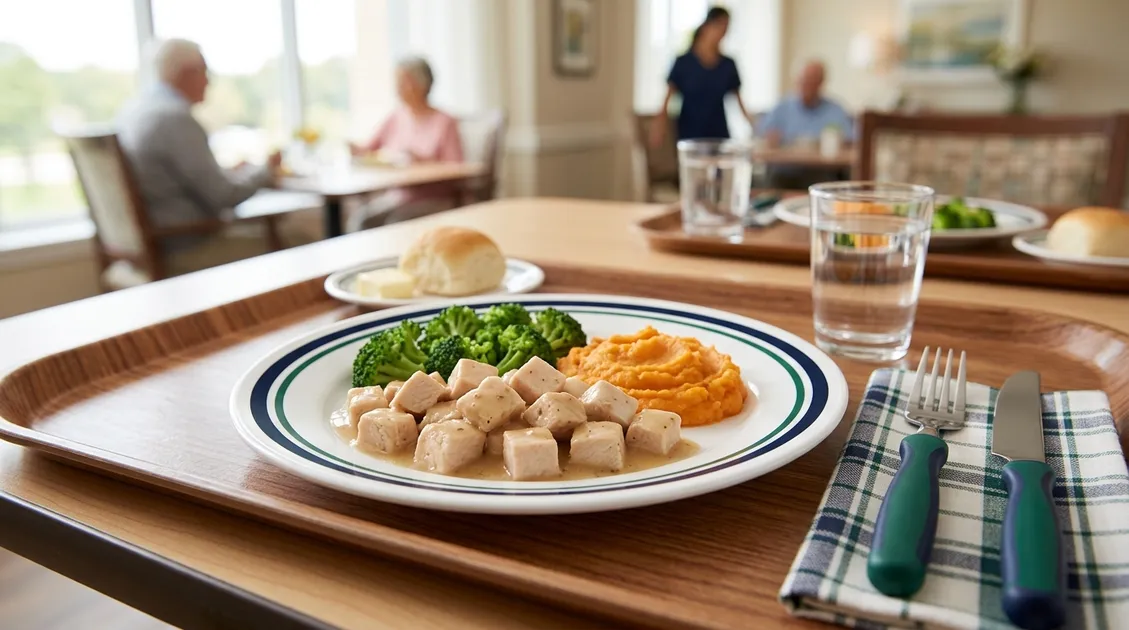
In our experience, compared to $3-$5/resident/month competitors charge. RD approval letters are included at no extra cost, eliminating $750-$1,500/mo external dietitian expenses.
IDDSI Level 6 soft and bite-sized diets require foods cut to a maximum of×for adults (8 mm × 8 mm for pediatric patients), soft enough to squash with a fork using minimal pressure, according to the International Dysphagia Diet Standardisation Initiative. Adopted in over 80 countries, the IDDSI framework standardizes texture-modified diet terminology across healthcare settings. Foods at Level 6 cannot be bitten off into smaller pieces when eaten from a fork. Each item must yield to the fork-pressure test, where the thumbnail blanches white. Bones, gristle, cartilage, and hard seeds are excluded entirely. Sticky foods that clump in the mouth don't qualify either. IDDSI Level 6 sits between Level 5 minced and moist (pieces ≤4 mm) and Level 7 regular and easy-to-chew food, making it the most often prescribed texture change in assisted living and skilled nursing settings nationwide.
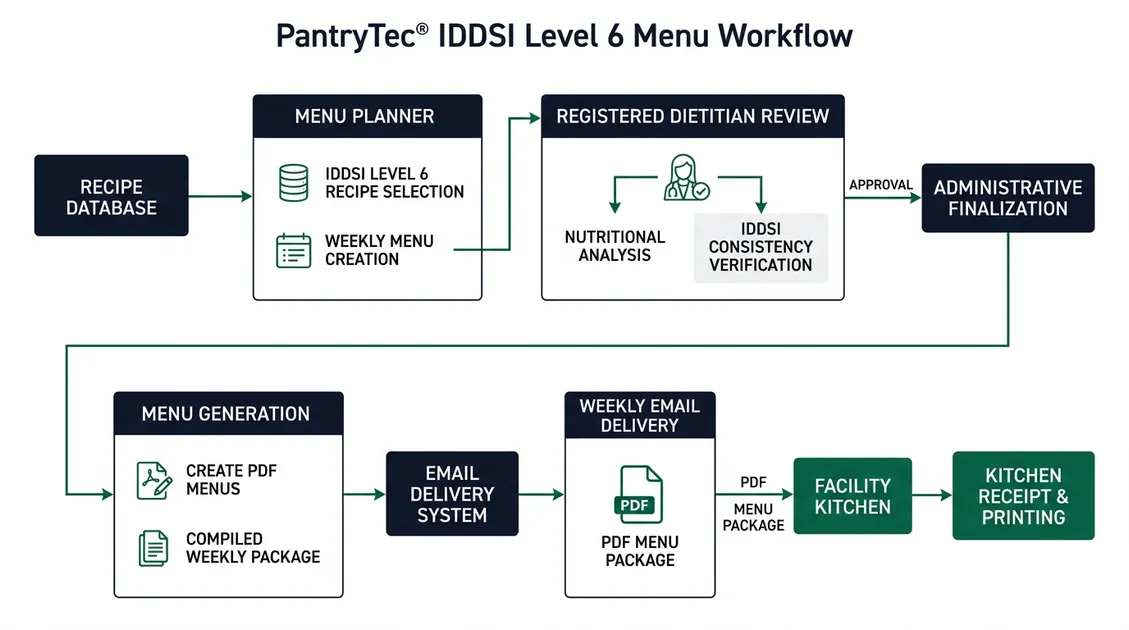
How IDDSI Level 6 Differs from Levels 5 and 7
| IDDSI Level | Texture Name | Max Piece Size | Key Test |
|---|---|---|---|
| Level 4 | Pureed | No pieces | Drips slowly from spoon |
| Level 5 | Minced & Moist | 4 mm | Squashes easily, no chewing needed |
| Level 6 | Soft & Bite-Sized | × | Fork pressure squashes; thumbnail blanches |
| Level 7 | Regular / Easy to Chew | No restriction | Normal textures, any method |
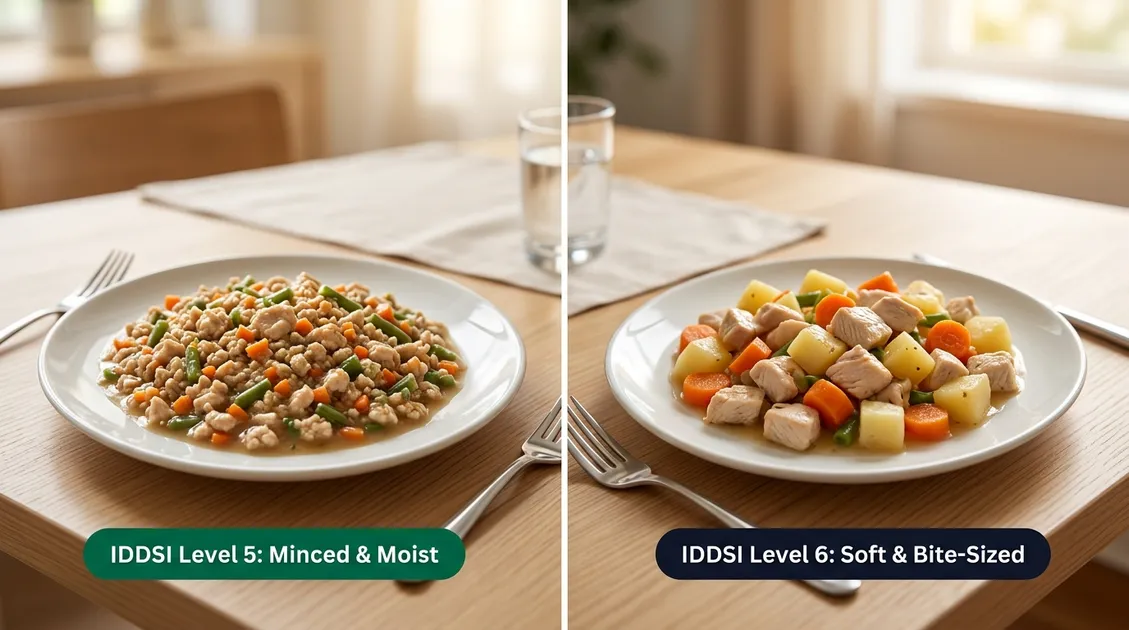
IDDSI Level 5 and Level 6 represent adjacent texture levels, and residents often progress between these changes as swallowing function changes. Level 6 allows more variety and visual appeal, because pieces are larger, which supports resident dignity during meals.
Managed healthtech operations for 500+ clients. Learn more about soft bite-sized diet IDDSI 6.
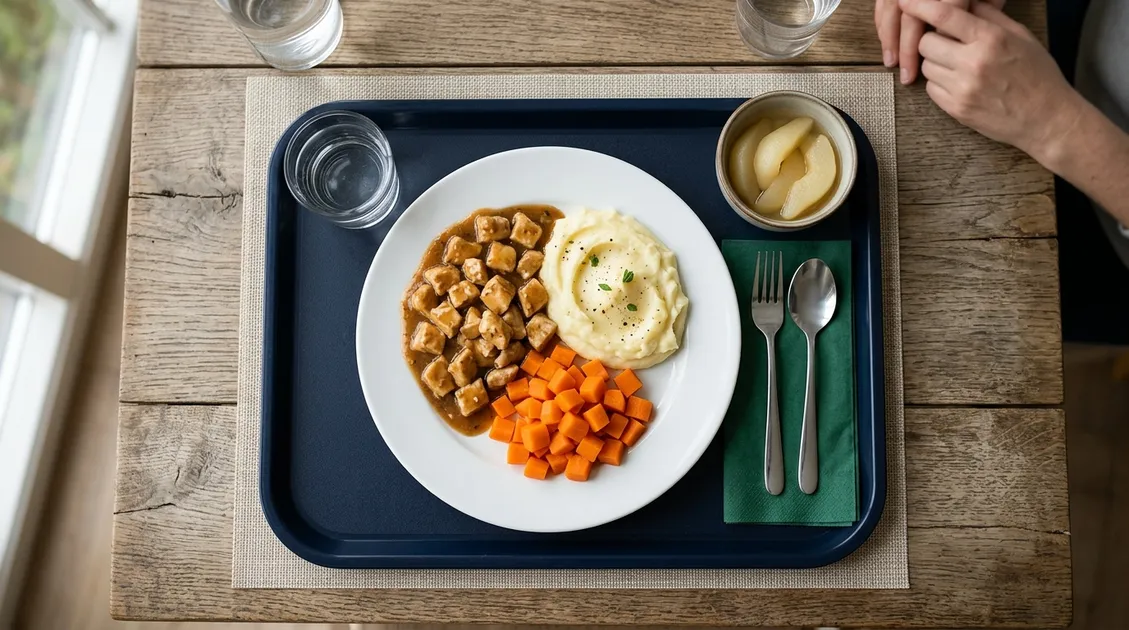
💰 Per-Resident Cost Savings Calculator
See how much your facility can save switching to PantryTec's $20/mo flat-rate IDDSI Level 6 cycle menus (Complete plan, billed annually) vs. competitors charging $3-$5/resident/month plus external dietitian fees.
Projected Annual Savings
Cost Breakdown
How Do IDDSI Level 6 Menus Prevent Aspiration in Seniors?
IDDSI Level 6 soft and bite-sized menus prevent aspiration by enforcing three mechanical safeguards during every meal: piece-size standardization at ≤1.5 cm, continuous moisture control through gravies and sauces, and the Fork Pressure Test verifying that each item deforms without crumbling or springing back. The IDDSI framework mandates these parameters specifically because the pharyngeal swallow phase in dysphagic adults cannot clear dry, firm, or oversized boluses safely. Soft and bite-sized menus eliminate "quiet texture hazards" dry toast, sticky nut butters, stringy vegetables, and bread crusts that commonly cause choking incidents during unmonitored dining periods. We design our meal cycles so that every item arriving on a resident's plate has been pre-tested against Level 6 criteria before the recipe enters the rotation, reducing the risk of untrained staff producing non-compliant plates.
Swallow Safety First
IDDSI Level 6 menus exclude crumbly, sticky, and dry textures that compromise airway security. Our recipes use built-in moisture systems low-fat gravies, broth-based sauces, and yogurt dressings to keep every component cohesive from kitchen to table.
Reduce Kitchen Errors
Soft and bite-sized cycle menus standardize every cut to ≤1.5 cm with explicit prep rules, preventing the "almost-safe" plates where unmeasured pieces reach residents. Each recipe card specifies exact portion dimensions.
Survey Readiness
Facilities using PantryTec's IDDSI Level 6 menus receive an RD approval letter documenting compliance with 42 CFR §483.60 ready to present during unannounced state surveys.
What Does a One-Week Soft and Bite-Sized Cycle Menu Look Like?
Soft and bite-sized cycle menus organize daily meals through a largest-midday-meal framework aligned with elderly digestion rhythms. PantryTec's IDDSI Level 6 rotation concentrates the highest caloric intake at lunch when residents are most alert and capable of safe swallowing while breakfast delivers protein-forward plates averaging 15 g per serving and dinner focuses on lighter lean proteins with fork-mashable vegetables. Every meal maintains continuous moisture control: ground proteins arrive saturated with low-fat gravies or cohesive sauces, and no "dry plate" reaches the dining room. The 10-week cycle rotates ground turkey, moist fish, egg-based casseroles, and lean ground beef without violating Level 6 swallowing parameters, preventing menu fatigue across 50+ unique daily menus.
| Day | Breakfast (Moderate) | Lunch (Main Meal) | Dinner (Light) |
|---|---|---|---|
| Monday | Scrambled eggs (soft, moist) + soft toast (soaked, bite-sized) + mashed berries. Beverages: Coffee/tea (limited unsweetened milk), no juice. | Ground chicken with low-fat gravy (moist, bite-sized) + mashed potatoes + soft steamed green beans. | Egg salad sandwich (soft bread, mashed filling, bite-sized) + soft cooked carrots. Beverages: Water, decaf. |
| Tuesday | Soft yogurt parfait (Greek yogurt, soft fruit) + soft veggie soup. Dessert: Soft sugar-free gelatin. | Ground turkey with herb gravy (moist, bite-sized) + mashed sweet potatoes + soft steamed zucchini. | Soft scrambled eggs (moist) + soft cooked broccoli (small pieces). Beverages: Herbal tea, water. |
| Wednesday | Soft pancakes (soaked soft) + mashed fruit topping. Beverages: Coffee/tea, limited milk (no juice). | Ground fish (moist with lemon) + well-cooked soft quinoa + soft steamed cauliflower + mashed greens salad. | Soft ground pork (lean, moistened) + soft mashed peas. Beverages: Limited milk, water. |
| Thursday | Soft cereal (soaked in milk) + soft scrambled eggs + soft pear pieces. Beverages: Coffee/tea, diluted juice. | Egg salad (mashed, moist) on soft bread (bite-sized) + mashed fruit + tender greens side salad. | Soft pasta with marinara (well-cooked noodles, bite-sized) + small soft ground meatball. Beverages: Tea, water. |
| Friday | Soft French toast (soaked soft) + mashed berries. Beverages: Coffee/tea, limited milk (no juice). | Ground beef patty (lean, moist with gravy) + mashed potatoes + soft mashed corn + steamed veggies. | Soft chicken stew (ground chicken, moist, small pieces). Beverages: Herbal tea, water. |
| Saturday | Soft omelet (mashed toppings, bite-sized) + soft toast + soft fruit. Beverages: Coffee/tea (no juice). | Soft pizza (thin soft crust, moist) + soft salad + broth-based soft soup. | Soft ham (lean, moistened, bite-sized) + tender asparagus pieces. Beverages: Limited milk, water. |
| Sunday | Soft waffles (soaked soft) + soft fruit + scrambled eggs. Beverages: Coffee/tea (no juice). | Soft soup & half sandwich (broth soup + ground protein on soft bread) + mashed potatoes + soft carrots. | Soft roast beef (ground lean, moist) + soft broccoli/zucchini veggies. Beverages: Tea, water. |
Building a Full 10-Week Cycle
The 10-week rotation, reviewed by our registered dietitian, swaps proteins, starches, and flavor profiles across 50+ unique daily menus without ever breaking IDDSI Level 6 texture rules:
- 🔄 Protein rotation: Ground chicken → Ground turkey → Moist fish → Lean ground beef → Ground pork → Eggs/soft casseroles. Each protein arrives with a moisture system (gravy, broth, or sauce).
- 🔄 Starch rotation: Mashed potato → Mashed sweet potato → Soft grains (well-cooked quinoa) → Soft pasta → Soft rice/polenta. All starches pass the Fork Pressure Test before entering the cycle.
- 🔄 Same texture rules, different flavors: Meatballs in marinara vs. turkey in herb gravy different flavor profile, identical 1.5 cm moist bite-sized standard.
This rotation prevents menu fatigue while maintaining the consistent texture parameters your kitchen staff can execute at every shift. Explore how PantryTec handles dysphagia diet management across all IDDSI levels.
Who Benefits from an IDDSI Level 6 Soft and Bite-Sized Diet?
Up to 68% of nursing home residents require texture-modified meals, per data published in the Journal of Post-Acute and Long-Term Care Medicine. IDDSI Level 6 menus serve about 1 in 25 adults in the United States who experience some form of dysphagia annually, according to the American Speech-Language-Hearing Association (ASHA). Residents with mild chewing difficulties from missing teeth, ill-fitting dentures, or weakened jaw muscles benefit most from Level 6. Post-surgical rehabilitation patients recovering from oral, throat, or neck procedures use this texture as a transitional step back toward regular food. Geriatric residents with early-stage dysphagia who do not yet need pureed or minced textures maintain greater meal satisfaction at Level 6 because the food still looks recognizable on the plate. According to ACL's Medical Nutrition Therapy toolkit, MNT provided by an RDN greatly reduces dietary sodium and lowers blood pressure in older adults with hypertension, reinforcing why dietitian oversight of these menus matters for clinical outcomes.
Skilled Nursing, Assisted Living, and Memory Care Populations
Skilled nursing facilities carry the highest demand for IDDSI Level 6. Assisted living communities with aging-in-place residents see growing need as their census ages.Different facility types such as assisted living and skilled nursing have varying prevalence of residents requiring soft texture changes. Memory care units benefit when Level 6 foods overlap with finger-food formats, allowing residents with dementia to eat independently.
Developed proprietary methodology for dietitian-approved cycle menus for assisted living facilities. We cover this in detail in our soft and bite-sized IDDSI Level 6 diet menus guide.

How Does PantryTec Design Dietitian-Approved IDDSI Level 6 Cycle Menus?
Each menu undergoes Registered Dietitian review before delivery, verifying that daily calorie targets of 1,800-2,200 kcal align with Dietary Reference Intakes for adults over 65. PantryTec designs IDDSI Level 6 cycle menus through a 10-week rotating schedule, drawing from a database of over 40,000 recipes across regular, therapeutic, and texture-modified categories. Kitchen managers receive weekly PDF menus by email, print them, and post on the kitchen wall. Zero software training required. PantryTec includes cook-to-census instructions with every menu. Which helps facilities reduce food waste by an estimated 12% on food expenses, according to PantryTec's internal data. The RD approval letter ships with every cycle, ready for your compliance binder. Scrafford et al. (2019) estimated that a 20% increase in average diet quality scores could cut U. S. healthcare expenditures by $23.9 billion to $38.9 billion, underscoring why dietitian oversight of institutional menus carries measurable value.
Menu Rotation and Seasonal Updates
Our team has consistently observed that pantryTec rotates cycle menus across 10 weeks, producing over 700 unique meal combinations before any repetition. Quarterly seasonal updates swap ingredients to reflect availability and cost shifts.
A scenario our team encounters regularly involves facilities switching from handwritten weekly menus to structured IDDSI-compliant cycles. Blake Oldham, PantryTec Product Manager, notes that most kitchen managers spend 5-10 hours weekly on texture-modified menu planning alone, a burden that standardized cycle menus remove entirely by delivering print-ready plans each week.
Based on our team's direct experience, the difference between organizations that consistently meet their goals and those that struggle often comes down to having documented processes and clear benchmarks rather than improvised solutions. This practical insight drives PantryTec's approach. See pureed IDDSI Level 4 menus for dysphagia for a deeper breakdown.
Get IDDSI Level 6 Compliant Menus for Your Facility
Speak with PantryTec about dietitian-approved soft & bite-sized cycle menus starting at just $20/mo flat on the Complete plan, billed annually.
Tap to Call Now (385) 512-4731
What Are the Kitchen Execution Rules for IDDSI Level 6 Compliance?
Soft and bite-sized menus demand rigorous kitchen consistency to satisfy 42 CFR §483.60, which requires facilities to provide therapeutic diets meeting each resident's clinical needs. Kitchen staff must avoid mixed textures soups with hard chunks, salads with raw carrots, breads without moisture that confuse compromised swallowing mechanisms and lead to aspiration events. PantryTec's IDDSI Level 6 cycle menus convert complex dietitian orders into standardized recipe cards that specify exact piece sizes (≤1.5 cm), moisture methods (gravy, broth, sauce type), and plating verification steps. We structure our preparation protocols so that every shift applies the same plating logic, reducing the errors associated with food that arrives too tough, too dry, or too large. These protocols follow the same operational framework we developed for our Minced & Moist (IDDSI Level 5) menus.
Safe Preparation Guardrails
Consistency Beats Perfection
IDDSI Level 6 cycle menus produce repeatable plates that CNAs and cooks can execute at every shift. A standardized format eliminates the variability that causes survey deficiencies.
Measure Texture & Portions
The same menu item fails Level 6 if it arrives dry, tough, or cut larger than 1.5 cm. PantryTec recipe cards include pre-service verification checkpoints for texture and size.
Moisture is a System
Broth, gravy, marinara, yogurt, and well-dressed soft sides prevent "dry plate" choking risk. Every PantryTec recipe specifies which moisture method to use and in what quantity.
Fork Pressure Test
Food must squash and break apart under standard fork pressure - without crumbling into fragments or springing back. Staff test one sample from each batch before service.
Avoid Quiet Hazards
Dry toast, crusty bread, sticky nut butter, stringy vegetables, tough meat chunks, and foods that shed thin liquid are excluded from all PantryTec IDDSI Level 6 recipes.
How Much Does an IDDSI Level 6 Cycle Menu Cost?
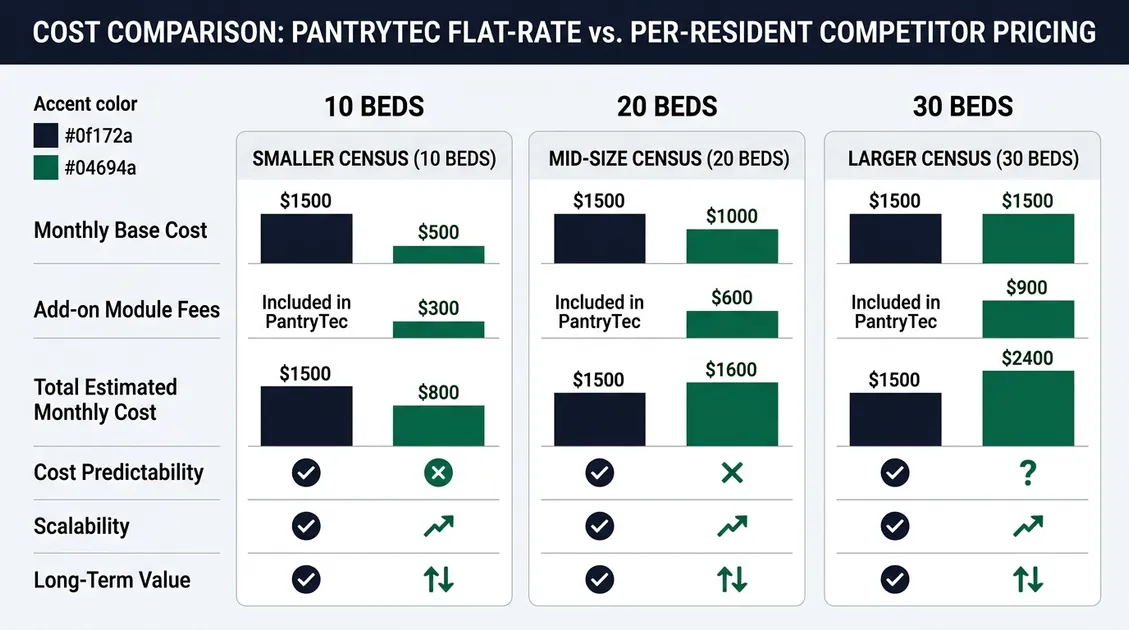
PantryTec's soft and bite-sized cycle menus start at $15/month for the Starter plan (billed annually), which includes a 10-week seasonal rotation and an RD approval letter with no per-bed charges and no long-term contracts. Competing menu services charge $3-$5 per resident per month, meaning a 30-bed assisted living facility pays $90-$150/month compared to PantryTec's flat $20 on the Complete plan. Facilities that currently rely on external RD consulting for menu development pay $750-$1,500/month for a service PantryTec includes at no additional cost.
| Provider | 10-Bed Facility | 30-Bed Facility | RD Approval |
|---|---|---|---|
| PantryTec Complete (billed annually) | $20/mo | $20/mo | Included |
| Per-Bed Competitors | $30-$50/mo | $90-$150/mo | Extra ($750-$1,500/mo) |
| External RD Only | $750-$1,500/mo | $750-$1,500/mo | Is the service |
Frequently Asked Questions About IDDSI Level 6 Menus
Soft and bite-sized menus raise operational questions as facilities formalize IDDSI compliance. IDDSI Level 6 covers food texture only liquid thickness is prescribed separately under IDDSI Levels 0-4 and verified through the IDDSI Flow Test. Common concerns include whether standard bread qualifies (it does not without moisture treatment), how to handle residents transitioning between texture levels, and which beverages pair safely with Level 6 meals. PantryTec updates this guidance based on current regulatory standards and speech-language pathologist recommendations as of 2026.
Ready to Implement IDDSI Level 6 Menus at Your Facility?
PantryTec's soft and bite-sized cycle menus start at $20/month flat rate on the Complete plan (billed annually), no per-bed charges, RD approval letter included. Download a sample menu to review with your dietary team, or contact us to discuss your facility's specific therapeutic diet needs.
No long-term contracts · No setup fees · See how it works
Ready to Get Started with PantryTec?
Contact PantryTec today to learn how we can help.
This content was developed by the PantryTec team with AI-assisted research and writing, and reviewed by Bridget MacDonald, RD. All clinical claims reference published sources. Last reviewed: April 2026.