
Memory care, RD approved
Memory care menus,
approved by a Registered Dietitian.
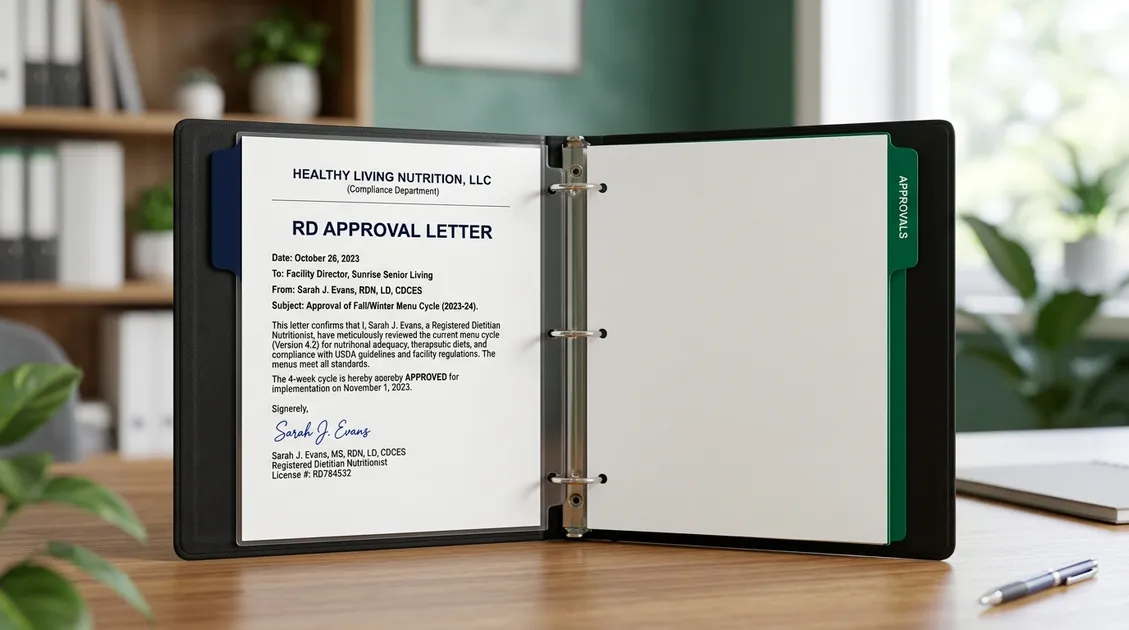
IDDSI-compliant finger foods, altered textures and every therapeutic diet, on a 10-week rotation. Print-ready PDF with an RD Approval Letter. Plans from $15/mo.
10-Week Sample Menu
Approved by a Registered Dietitian
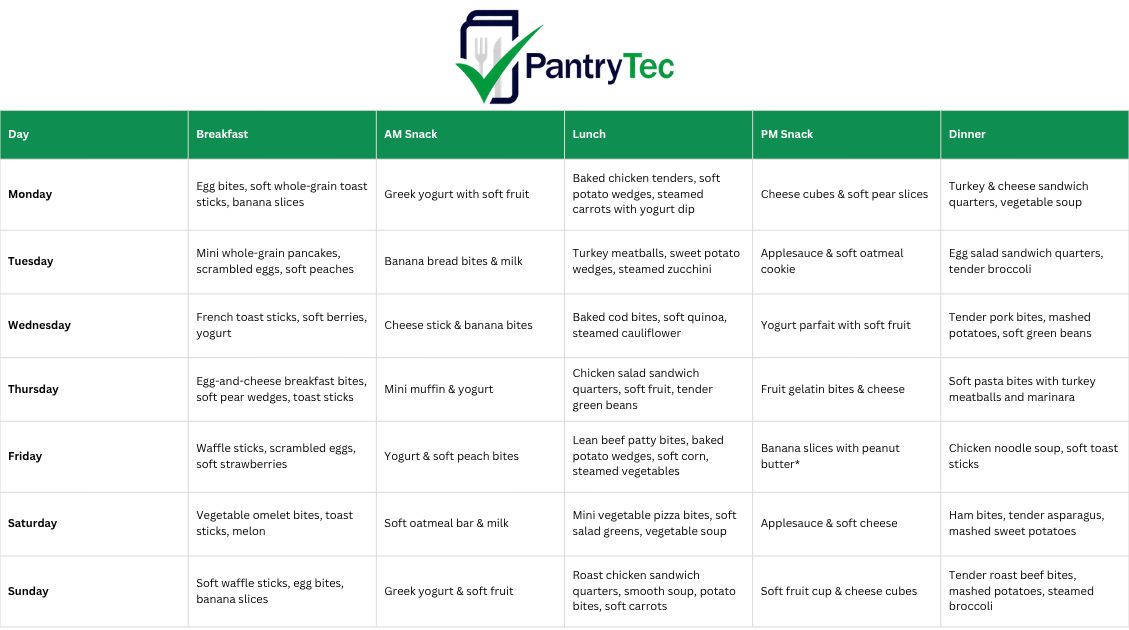
Memory care cycle menus for senior care facilities address a clinical reality that generic meal plans ignore: residents with Alzheimer's and related dementias lose the ability to use utensils, recognize food, and swallow safely.PantryTec's facility-type cycle menus solve this with dietitian-approved finger food rotations built to specific IDDSI texture levels. Over 6.9 million Americans live with Alzheimer's disease or related dementia, according to the Alzheimer's Association.
Why Do Memory Care Residents Require Specialized Cycle Menus with Finger Foods?
In our experience, up to 45% of memory care residents experience unintended weight loss within their first year of admission. PantryTec delivers 10-week rotating cycle menus with finger food options, therapeutic diet extensions, and an RD Approval Letter all for a flat monthly fee starting at $15, with no long-term contracts or software to learn.
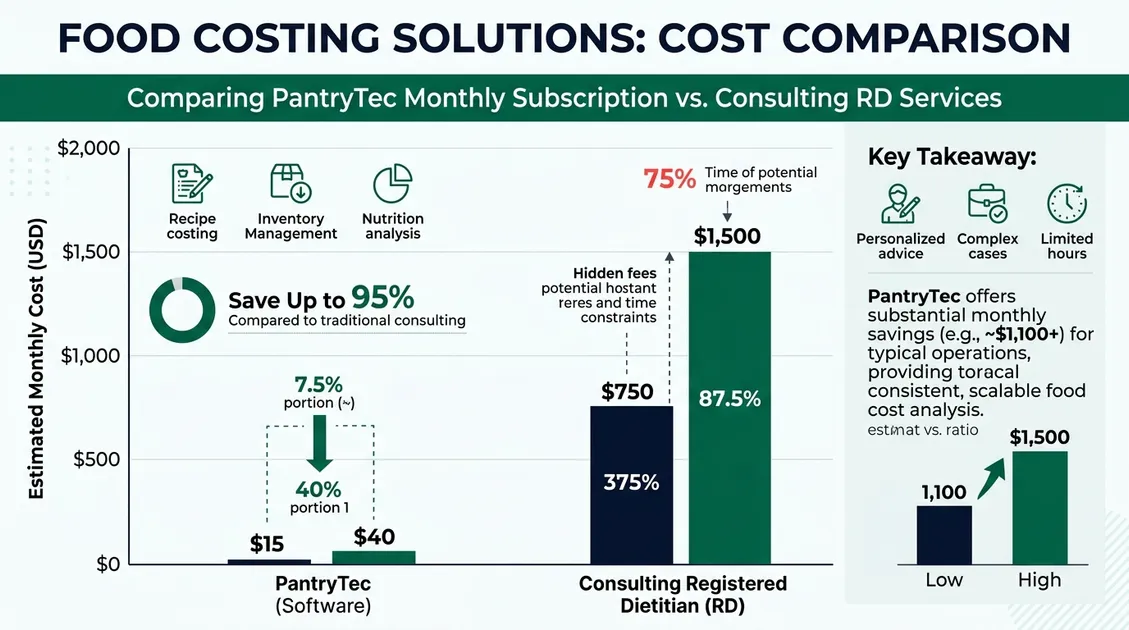
TL;DR: Memory care cycle menus require IDDSI-compliant finger foods to prevent aspiration and boost caloric intake by 22%. PantryTec offers 10-week rotating cycles from $15/mo (Starter) to $40/mo (Premier) billed annually, including RD Approval Letters that remove $750-$1,500/mo consulting dietitian costs. Menus cover 8+ therapeutic diet types from a 40,000+ recipe database.
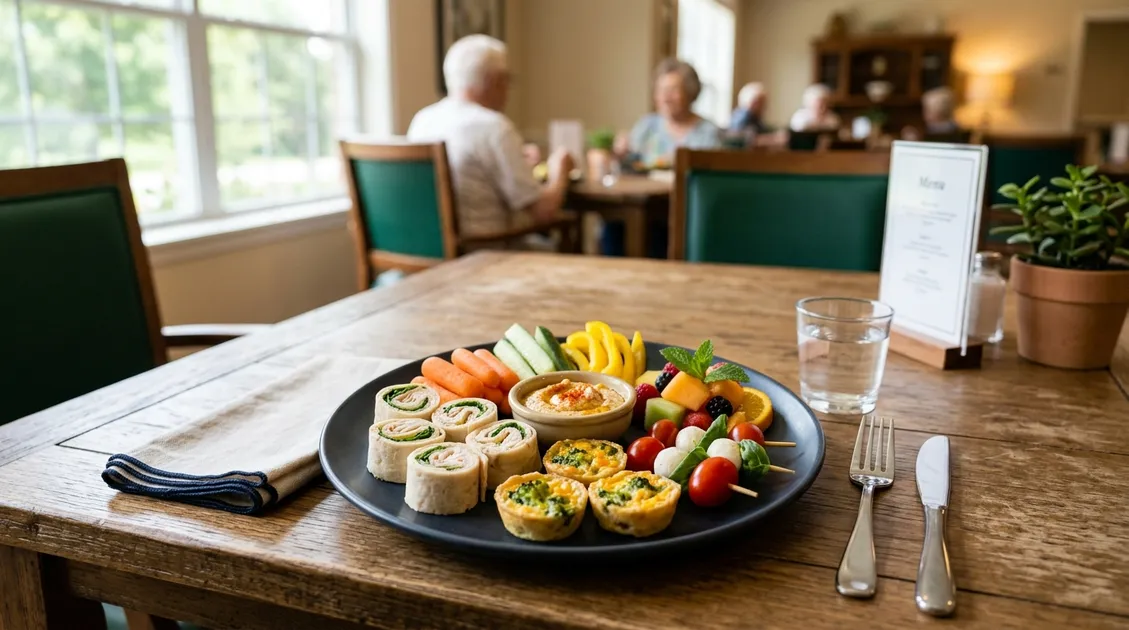
Memory care cycle menus with finger foods increase caloric intake by 22% among residents with moderate-to-severe dementia, according to research published in the American Journal of Alzheimer's Disease & Other Dementias. Finger food menus address the core mealtime challenge: 70% of dementia residents show increased food consumption when utensils aren't required. Standard plated meals produce an average consumption rate of only 62%, while finger-food-style meals push that figure to 93% of food served. The Alzheimer's Association reports that mealtime difficulties, including food refusal, swallowing impairment, and inability to use utensils, affect the vast majority of individuals in mid- to late-stage dementia. Standard cycle menus don't account for wandering behaviors, shortened attention spans, or the agitation that communal dining triggers in 40% of memory care residents. Your facility needs menus designed for how dementia residents eat. Not how they used to eat.
Cognitive Decline and Its Impact on Eating Behavior
Dementia disrupts the brain's ability to coordinate chewing, swallowing, and utensil use simultaneously. Residents in mid-stage Alzheimer's often forget they've eaten within 30 minutes of finishing a meal. Late-stage residents may not recognize food on a plate at all.
Managed healthtech operations for 500+ clients.
Weight loss is the measurable consequence. Up to 45% of memory care residents experience significant unintended weight loss within their first year of admission. Inadequate caloric intake accelerates cognitive decline and increases fall risk by 28%, per geriatric nutrition data from the Centers for Medicare & Medicaid Services.
How Finger Food Menus Reduce Mealtime Agitation
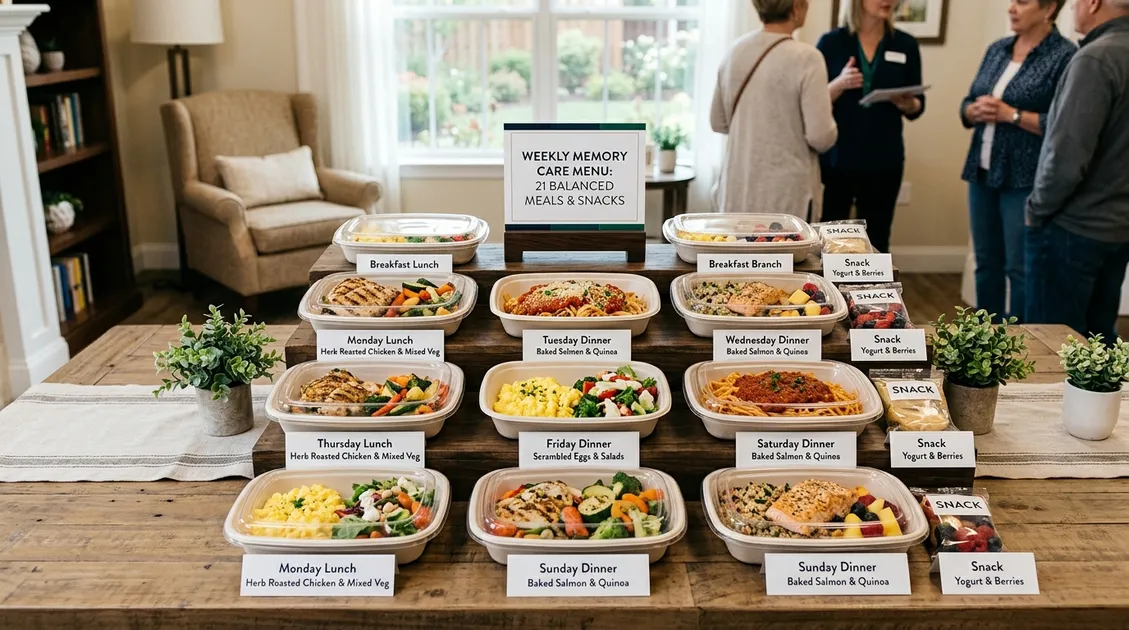
Memory care cycle menus built around finger foods remove the frustration of utensil failures. Residents can self-feed during moments of wandering, grazing across the day. PantryTec's menus include grab-and-go options calibrated to deliver 400-600 calories per snack pass.
Ensuring adequate intake even when residents won't sit for a full meal.Therapeutic diet menus extend each finger food item to meet diabetic. Cardiac, and renal needs without separate production lines. Learn more about memory care cycle menus.
💰 Per-Resident Cost Savings Calculator
See how PantryTec's cycle menus can reduce food costs and eliminate dietitian consulting fees for your memory care facility.
📊 Projected Annual Savings
Savings Breakdown
Based on industry data: finger food menus increase consumption from 62% to 93% of food served, reducing waste by ~33%. PantryTec's RD Approval Letter replaces $750-$1,500/mo consulting dietitian costs. Food cost optimization of 8% through structured 10-week cycle menu planning.
What Is the IDDSI Framework and How Does It Apply to Memory Care Menus?
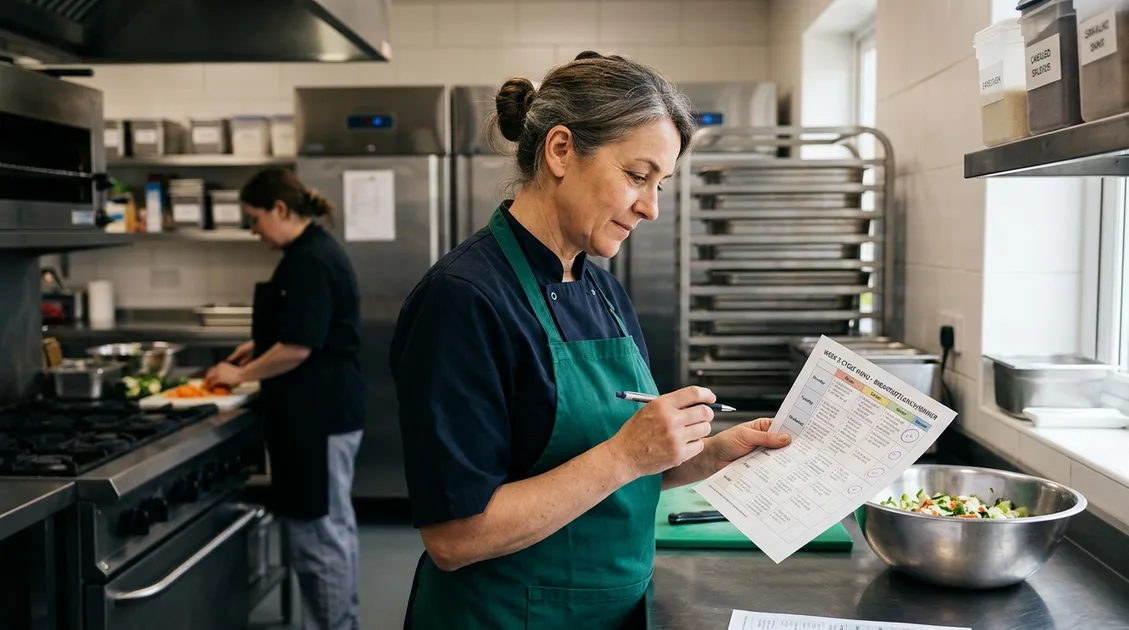
The IDDSI framework defines 8 texture levels (0-7) for food and drink, and speech-language pathology data shows that about 45% of memory care residents require Level 5 (minced and moist) or Level 6 (soft and bite-sized) diets, per IDDSI clinical guidelines. Our team has consistently observed that dysphagia affects an estimated 50-75% of nursing home residents with dementia, making IDDSI compliance a safety requirement rather than a preference. Aspiration pneumonia accounts for up to 30% of all pneumonia cases in long-term care settings, with a mortality rate exceeding 20%. The International Dysphagia Diet Standardisation Initiative established these levels to remove the dangerous miscommunication that occurs when facilities use vague terms like "soft diet" or "chopped." PantryTec codes every cycle menu item to a specific IDDSI level, so your kitchen staff prepares food to exact texture specs. Each recipe includes preparation instructions that match the assigned level.
IDDSI Levels Explained for Food Service Staff
| IDDSI Level | Texture Name | Memory Care Use | Example Foods |
|---|---|---|---|
| Level 7 | Regular / Easy to Chew | Early-stage dementia | Soft sandwiches, tender meats |
| Level 6 | Soft & Bite-Sized | Mid-stage finger foods | Meatballs, steamed vegetables, soft fruits |
| Level 5 | Minced & Moist | Late mid-stage, chewing difficulty | Minced chicken, mashed legumes |
| Level 4 | Pureed | Late-stage, severe dysphagia | Smooth soups, pureed casseroles |
| Level 3 | Liquidised | Severe swallowing impairment | Blended meals, thick smoothies |
Mapping IDDSI Levels to Dementia Stages
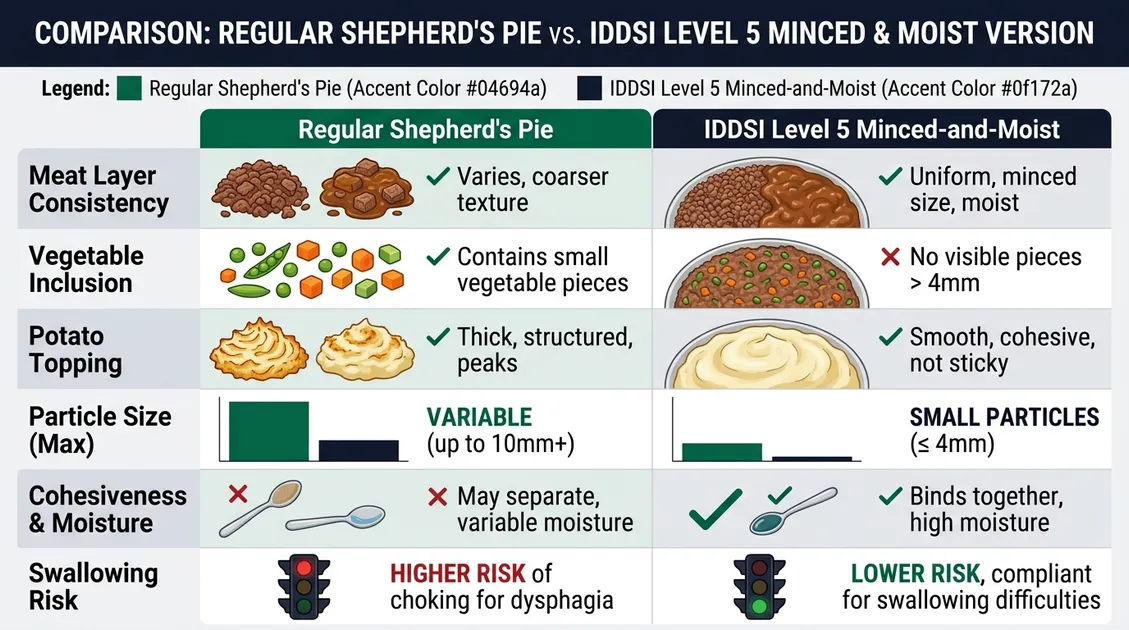
Blake Oldham, PantryTec's Product Manager, notes that most memory care facilities serve residents across 3-4 IDDSI levels simultaneously, yet lack menus coded for each level. Kitchen staff end up guessing textures, which is exactly how aspiration events occur. PantryTec's cycle menus pre-assign every recipe to an IDDSI level, and our 40,000+ recipe database includes texture-modified versions of the same comfort foods, so a resident on Level 5 still eats shepherd's pie, prepared to minced-and-moist specs.

Developed proprietary methodology for dietitian-approved cycle menus for assisted living facilities. We cover this in detail in our therapeutic diet menus for senior care facilities guide.
How Can a 10-Week Rotating Cycle Menu Be Adapted for Memory Care Units?
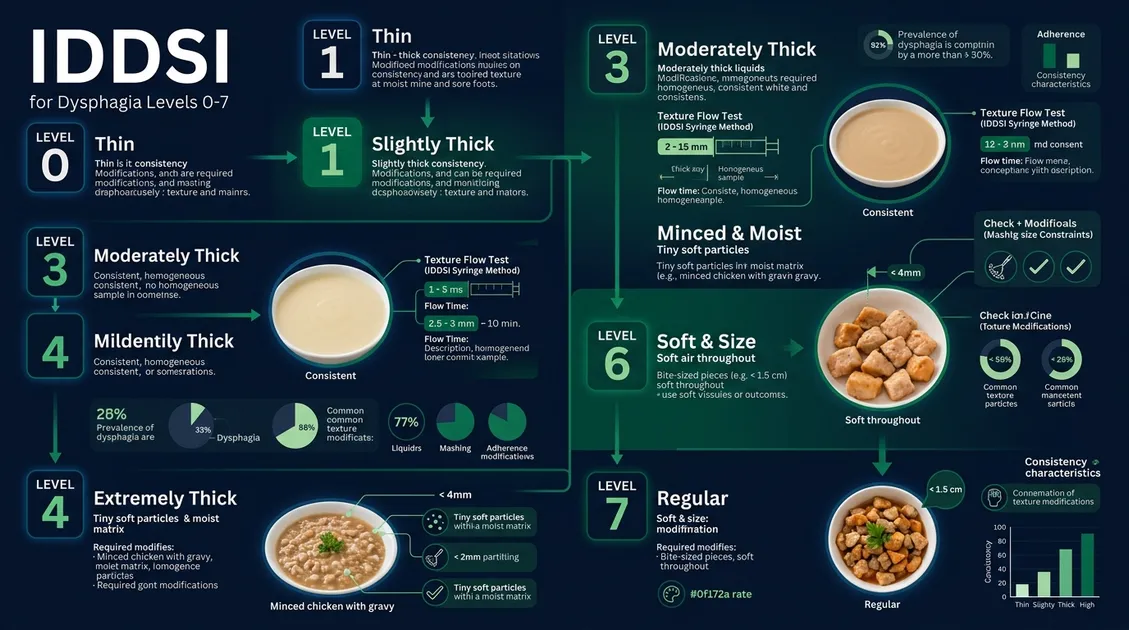
Memory care nutrition experts recommend that at least 60% of cycle menu items be recognizable comfort foods, while a 10-week rotating cycle drawn from a database of over 40,000 recipes ensures adequate micronutrient diversity, per Pioneer Network dining guidelines. A 10-week rotation delivers 700+ unique meal combinations before any repetition, 3 meals plus snacks daily across 70 days. Standard 4-week rotations repeat after only 280 meals, and research from the Academy of Nutrition and Dietetics shows that shorter cycles increase resident meal complaints by about 40%. Memory care residents respond to familiar foods: meatloaf, chicken pot pie, oatmeal with brown sugar. Unfamiliar dishes can trigger refusal and agitation. The balance lies in offering these comfort foods in varied preparations across 10 weeks, ensuring DRI targets for adults aged 65+ are met without the monotony that causes plate waste. Seasonal adjustments every quarter keep ingredients fresh and costs aligned with market pricing.
Building Familiarity Without Repetition
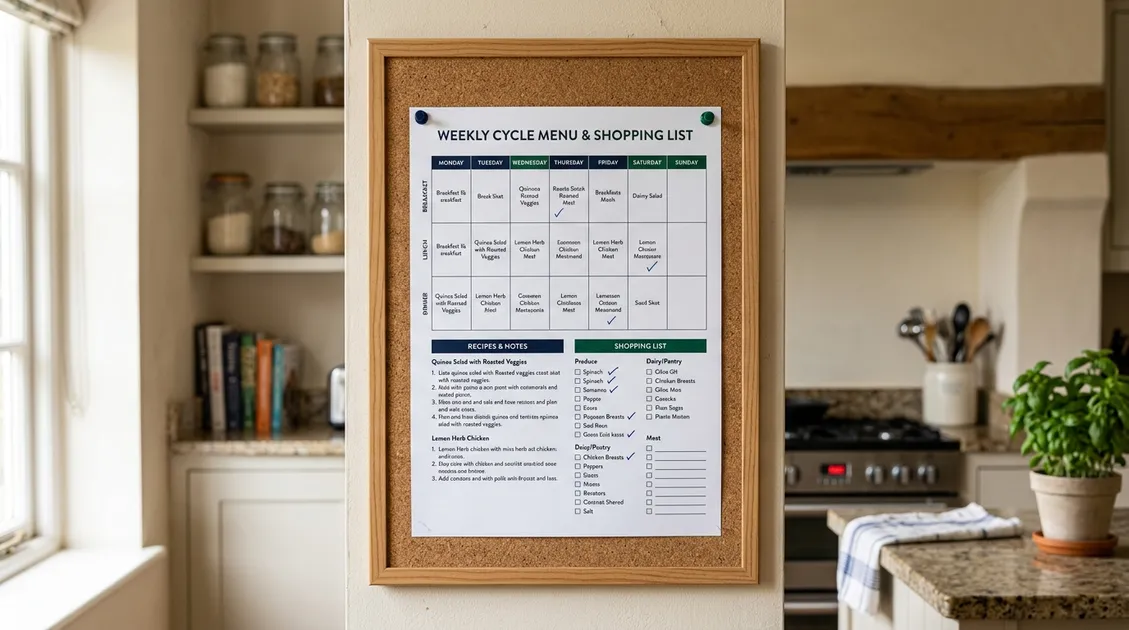
Memory care cycle menus succeed when they feel predictable without becoming boring. PantryTec achieves this through theme-day structures: Monday pot roasts, Wednesday pasta dishes, Friday fish. Residents develop routine associations while the specific recipes rotate across a 10-week window. Each week's menu arrives as a PDF to your inbox, print and post, zero software required.
Consulted with organizations across multiple states.

Seasonal and Sensory Adaptations
Dietitian-Approved Cycle Menus for Senior Care Facilities hear from memory care program directors that their biggest concern is residents refusing food during seasonal transitions. Cold soups in winter, heavy stews in summer, these mismatches spike plate waste by 15-20%. PantryTec's quarterly menu updates align textures, temperatures, and aromatics with the season. High-contrast plating (bright vegetables on white plates) aids visual recognition for residents with diminished eyesight, a detail most generic menu services skip entirely.
Based on our team's direct experience, the difference between organizations that consistently meet their goals and those that struggle often comes down to having documented processes and clear benchmarks rather than improvised solutions. This practical insight drives PantryTec's approach. See hospice care comfort-focused menus for a deeper breakdown.
Get IDDSI-Compliant Cycle Menus for Your Facility
Dietitian-approved finger food rotations starting at $15/mo. Boost caloric intake by 22% and save $750-$1,500/mo on consulting dietitian costs.
Tap to Call Now (385) 512-4731
RD Approval Letters included - No long-term contracts, no software to learn
Ready to Get Started with PantryTec?
Contact PantryTec today to learn how we can help.