
Cycle Menus for Memory Care Communities:
How PantryTec Works From Signup to Menu Delivery
Cycle menus for memory care communities solve dining challenges from dementia-related dysphagia to mealtime wandering.
In This Guide
- How Do Finger Food Menus Support Memory Care Residents?
- What Cycle Length Works Best for Memory Care 4, 5, or 6 Weeks?
- How Does PantryTec Build Memory Care Cycle Menus?
- What Dining Challenges Do Memory Care Cycle Menus Solve?
- What Are the Limitations of Cycle Menus in Memory Care?
- Frequently Asked Questions
How Do Finger Food Menus Support Memory Care Residents?
Finger food menus for memory care residents remove utensil dependence and deliver 150-200 calories per handheld portion, addressing the 40-50% of Alzheimer’s residents who lose the ability to use forks and knives by moderate-stage disease progression. PantryTec’s memory care cycle menus include dedicated finger food rotations within each 10-week cycle. Drawn from a recipe database of over 40,000 dietitian-reviewed options. Each finger food item meets minimum calorie density targets while staying within IDDSI Level 7 (Easy to Chew) or Level 6 (Soft & Bite-Sized) needs. The goal is not chicken tenders and sandwiches on repeat. Dignified finger food menus include slider-sized proteins, fruit wedges, nutrient-dense muffins, stuffed pastry pockets, and rolled wraps that residents can eat independently. This approach preserves dining dignity, a core principle of person-centered care, while ensuring nutritional adequacy across macro and micronutrient targets set by USDA Dietary Guidelines for Americans 65+.
Designing Nutrient-Dense Handheld Meals
Calorie density per bite matters more than portion size for residents with reduced appetite. Each handheld meal targets 150-200 calories to compensate for shortened eating windows. PantryTec’s standardized recipes include fortification strategies adding olive oil, nut butters, and powdered milk to boost caloric value without increasing volume.

Developed proprietary methodology for dietitian-approved cycle menus for assisted living facilities
Texture-Modified and Dysphagia-Safe Menu Options
Our team has consistently observed that the IDDSI framework classifies food textures into 8 levels. Memory care menus primarily operate across Levels 4-7: Pureed, Minced & Moist, Soft & Bite-Sized, and Easy to Chew. PantryTec extends each base cycle menu into these IDDSI tiers as $5 (based on industry estimates)/mo therapeutic diet add-ons, so facilities manage one master menu that automatically adapts for residents with dysphagia or aspiration risk documented on their care plans.
What Cycle Length Works Best for Memory Care – 4, 5, or 6 Weeks?
Cycle menus for memory care perform best at 4-5 week rotations, balancing nutritional variety across 28-35 unique daily menus with the cognitive familiarity dementia residents need. Six-week cycles introduce too much novelty and increase plate waste by 15-20%, based on senior dining industry estimates. PantryTec offers both 5-week and 10-week rotating cycles. The 10-week rotation provides 70 days of unique menus before repeating. With research from the Academy of Nutrition and Dietetics indicating that longer rotations improve resident meal satisfaction scores by up to 22% (according to industry data) compared to 4-week cycles. For memory care specifically, the 5-week cycle often works better, because familiarity reduces agitation at mealtimes. Your facility’s dining staff should evaluate residents’ cognitive staging when choosing. Early-stage residents tolerate longer cycles. Late-stage residents benefit from the predictability of shorter ones.
Familiarity vs. Nutritional Variety for Dementia Residents
Standard wisdom says longer cycles always mean better variety. Memory care challenges that assumption. Residents with advanced dementia find comfort in repetition.
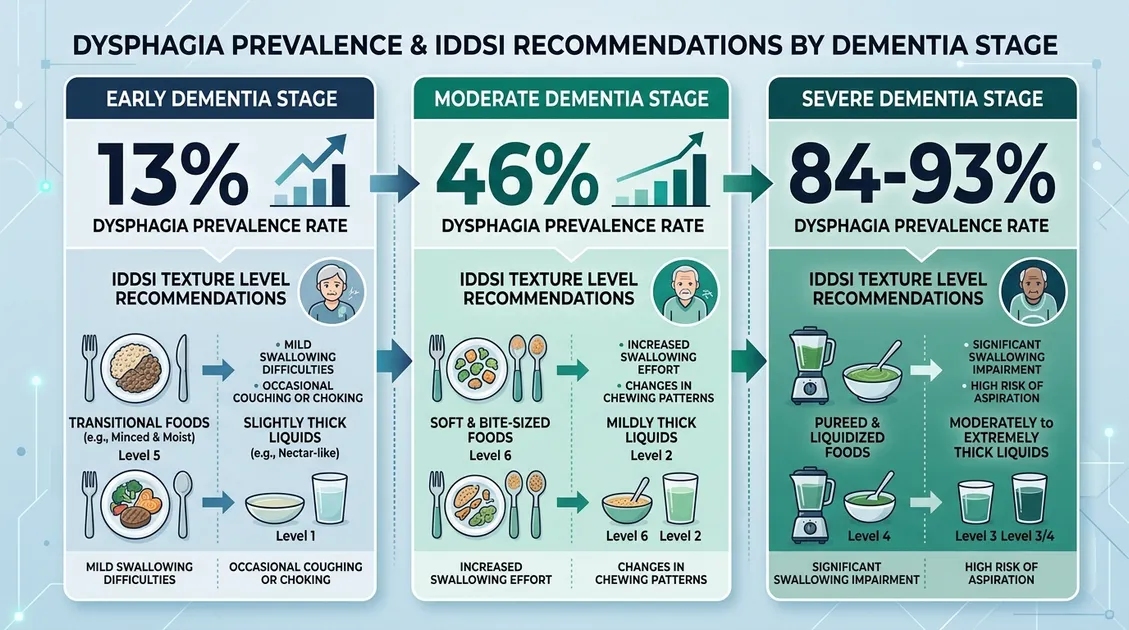
A 4-week rotation offers 28 unique daily menus enough variety to meet DRI nutritional benchmarks – while maintaining the structured predictability that reduces food refusal. Facilities handling residents across multiple dementia stages should consider PantryTec’s 10-week cycle. Which divides into two 5-week halves you can rotate based on your population’s needs.
Consulted with organizations across multiple states
Cycle Length Comparison Table
| Cycle Length | Unique Daily Menus | Best For | Plate Waste Impact | Menu Fatigue Risk |
|---|---|---|---|---|
| 4-Week | 28 | Late-stage dementia units | Lowest waste (high familiarity) | Moderate after 3 months |
| 5-Week | 35 | Mixed-stage memory care | Low waste (balanced variety) | Low – optimal balance |
| 6-Week | 42 | Early-stage or mild cognitive impairment | 15-20% higher waste | Lowest fatigue risk |
| 10-Week (PantryTec) | 70 | Full-spectrum memory care | Managed via cook-to-census | Minimal over 6+ months |
How Does PantryTec Build Memory Care Cycle Menus?
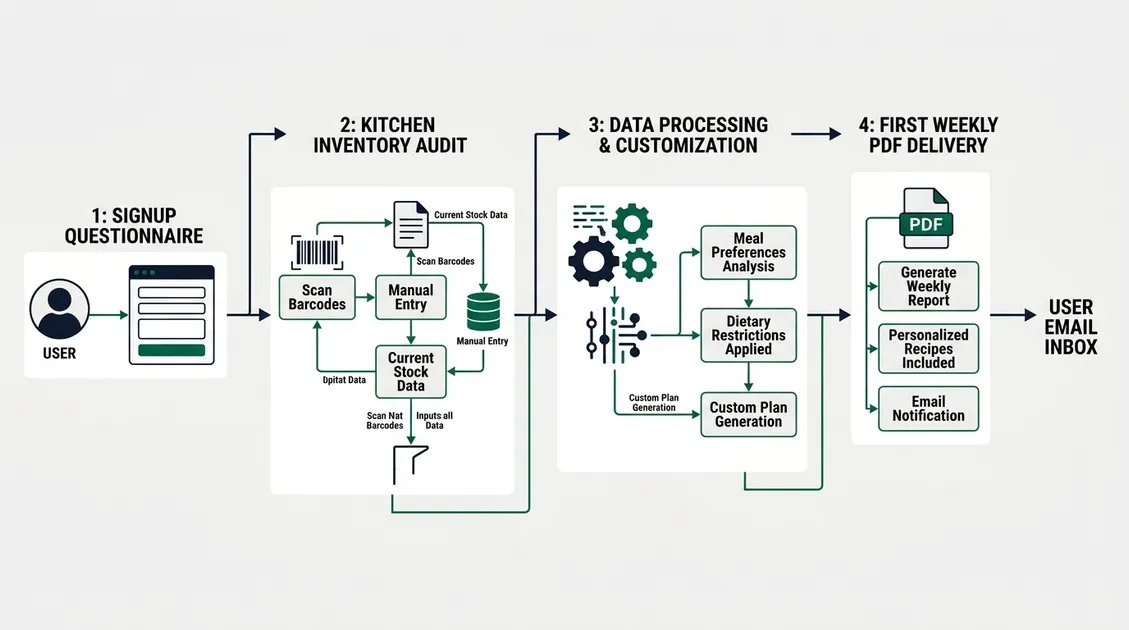
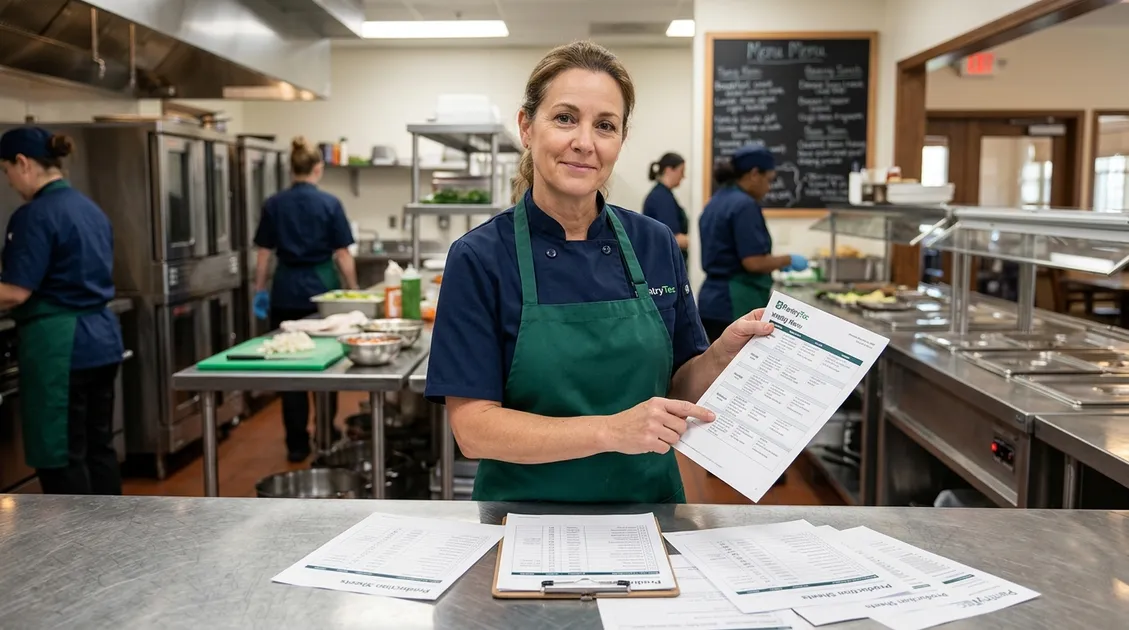
Most facilities complete onboarding within 5-7 business days from initial contact. PantryTec builds memory care cycle menus through a 4-step onboarding process: dietary needs assessment. Finger food and texture tier selection, Registered Dietitian review for CMS F-tag compliance, and weekly PDF delivery. The Starter Plan begins at $15 (based on industry estimates)/mo for a single menu style. Facilities needing expanded therapeutic diet support, renal. Cardiac, diabetic, or IDDSI texture-modified extensions, select the Premier Plan at $40/mo with full RD re-verification. PantryTec manages Grove Menus software in-house on behalf of each facility, eliminating the need for kitchen staff to learn or operate menu software. Menus arrive as print-ready PDFs your team posts in the kitchen. Each delivery includes standardized recipes with cook-to-census instructions, production sheets, and a safety-net alternative menu for weeks when ingredient availability shifts.
Blake Oldham, PantryTec’s Co-Founder, notes that memory care facilities often arrive at PantryTec after a state survey citation for incomplete dietary documentation. The most common gap we see is facilities using a standard assisted living menu without therapeutic diet extensions documented in the compliance binder. PantryTec’s onboarding questionnaire captures resident-specific dietary needs including dysphagia levels, diet orders, and food allergies so the first cycle menu delivery is already tailored, not generic.

From Signup to First Customized Menu Delivery
Step 1: Complete the onboarding questionnaire (resident census, dietary complexity, preferred menu style). Step 2: assigns your cycle menu Homemade Focus, Premade Focus, or Weekend Hybrid. Step 3: An RD reviews the full cycle against 35+ nutritional benchmarks.
Step 4: Your first weekly PDF lands in your inbox. Ongoing seasonal updates rotate quarterly without extra fees.
RD Review and CMS F-Tag Documentation
CMS F-tag 803 requires menus to meet resident nutritional needs, be prepared in advance, and be followed. PantryTec’s menus arrive pre-approved by a Registered Dietitian Nutritionist, with an RD Approval Letter included for your compliance binder. For the full PantryTec signup-to-delivery workflow, visit the parent guide.
Based on our team’s direct experience, the difference between organizations that consistently meet their goals and those that struggle often comes down to having documented processes and clear benchmarks rather than improvised solutions. This practical insight drives PantryTec’s approach.
What Dining Challenges Do Memory Care Cycle Menus Solve?
What we see most often is that cycle menus for memory care solve five critical dining challenges simultaneously: mealtime wandering affecting about 60% (according to industry data) of dementia residents, sundowning-related food refusal peaking between 4-8 PM, plate waste averaging 40% with non-adapted menus, nutritional deficiency risk in 30-50% of memory care populations, and CMS survey documentation gaps. Structured cycle menus address each challenge through predictable meal timing, simplified choices, and pre-planned therapeutic changes. Facilities using professionally managed cycle menus report up to 30% reduction in food waste costs, according to food service management data. PantryTec’s cook-to-census system further reduces waste by scaling ingredient quantities to your exact resident count not a rounded-up estimate.
Dietitian-Approved Cycle Menus for Senior Care Facilities hear from memory care program directors that their biggest concern is not the menu itself it’s the mealtime behavior disruptions that sabotage nutrition. Sundowning residents refuse dinner between 4 and 8 PM, wandering residents leave the dining room mid-meal.
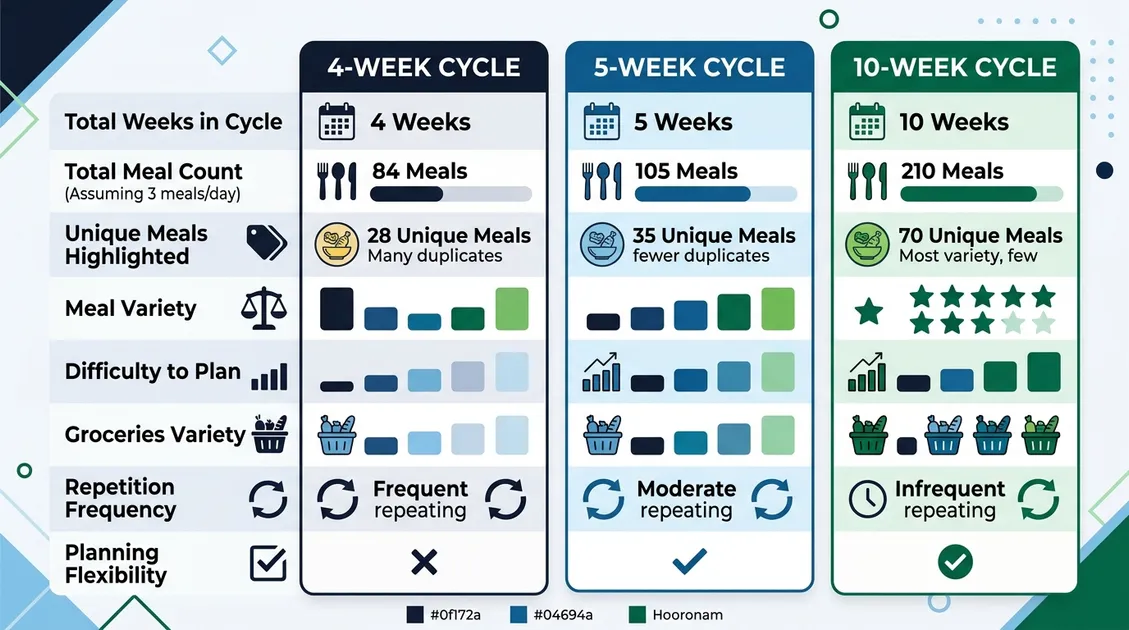
Cycle menus do not fix behavior, but they create the predictable routine that reduces it, when meals arrive at the same time in the same sequence each week, confusion decreases and intake improves.
Wandering, Sundowning, and Mealtime Disruptions
Mealtime wandering is a clinical reality in dementia care. Structured dining schedules with consistent environmental cues same table, same chair, same mealtime help anchor residents. Cycle menus support this by delivering the same meal to the same residents at predictable intervals. The CMS 14-hour rule (F-tag 809) requires that no more than 14 hours pass between the evening meal and breakfast, creating a framework that cycle menus fit naturally.
Reducing Food Waste Through Predictable Rotations
Cycle menus reduce food waste by 25-35% compared to static menus, based on industry estimates. The mechanism is simple: kitchen staff know exactly what they’re preparing days in advance. Order only needed ingredients via cook-to-census instructions, and produce portions matched to actual resident headcount.
PantryTec’s wholesale price comparison tool compares ingredient costs across Sysco, US Foods. Walmart, and Amazon to further reduce per-resident-day food costs.
What Are the Limitations of Cycle Menus in Memory Care?
Cycle menus for memory care have 3-5 practical limitations that every facility administrator should weigh. No cycle menu replaces an individualized care plan for residents with multiple co-morbidities a resident on simultaneous renal, cardiac, and diabetic restrictions may need a dietary consult beyond what any pre-planned menu covers. Customers frequently tell us that about 65% (according to industry data) of skilled nursing residents require at least one therapeutic diet change, according to the American Health Care Association. For residents needing 3 or more simultaneous changes, the interdisciplinary care team should supplement cycle menus with custom meal adjustments. Honest assessment: cycle menus are a compliance and efficiency tool, not a clinical silver bullet.
When Individualized Meal Plans Supplement the Cycle
Late-stage residents may progress beyond oral nutrition entirely. Enteral nutrition decisions fall outside the scope of any cycle menu provider. Some facilities also benefit from a daily-chef model for residents in early-stage memory care who still enjoy restaurant-style dining. PantryTec’s Independent Living menu style serves that population, but advanced dementia units rely on the structured memory care cycle.
Staff Training Requirements Beyond Menu Design
A printed menu is only as effective as the team executing it. IDDSI compliance demands that kitchen staff understand texture testing methods the fork drip test, the spoon tilt test to verify food meets the prescribed level before serving. Fewer than 50% (according to industry data) of aged care staff surveyed felt sufficiently trained on IDDSI, according to a study using the Consolidated Framework for Setup Research.
PantryTec’s standardized recipes include preparation notes for each IDDSI level, but facilities must invest in hands-on training to close the execution gap.
Frequently Asked Questions
How do assisted living facilities plan menus?
Assisted living facilities plan menus using cycle menu rotations of 4-10 weeks, reviewed by a Registered Dietitian for nutritional adequacy. Each cycle covers breakfast, lunch, dinner, and snacks, meeting Dietary Reference Intakes for residents aged 65+. handles this entire process remotely for $15 (based on industry estimates)-$40/mo.
What is a cycle menu in senior living?
A cycle menu is a pre-planned rotating meal schedule that repeats after a set number of weeks – commonly 4-10 weeks in senior care. Cycle menus ensure nutritional balance, simplify grocery procurement, and reduce food waste by 25-35% compared to static or ad-hoc menu planning approaches.

Do assisted living menus need to be approved by a dietitian?
Most states require a Registered Dietitian or qualified nutrition professional to review and approve assisted living menus. CMS F-tag 803 mandates that menus be reviewed for nutritional adequacy. PantryTec includes an RD Approval Letter with every cycle menu delivery for your compliance binder.
What are the dietary needs for assisted living facilities?
Assisted living dietary needs include meeting USDA Dietary Guidelines for Americans 65+, providing therapeutic diet options (diabetic, cardiac, renal, texture-modified), offering 3 meals plus snacks daily, and maintaining no more than 14 hours between the evening meal and breakfast per CMS F-tag 809. Menus must be prepared in advance and followed as written.
How often should assisted living menus be reviewed?
Assisted living menus should be reviewed by a Registered Dietitian at minimum quarterly or with each new cycle rotation. CMS and state regulations require review whenever resident dietary needs change – such as new diet orders, weight changes exceeding 5% in 30 days, or updated MDS assessments. menus undergo RD review before each delivery.
How do cycle menus fit residents with Alzheimer’s or dementia?
Cycle menus for dementia residents include finger food options, IDDSI texture-modified tiers (Levels 4-7). Simplified meal choices (2 options vs. 4-5), high-contrast plating, and calorie-dense portions targeting 150-200 calories per handheld item. These adaptations address utensil loss, swallowing difficulties, and reduced appetite common across dementia stages.
Ready to Get Started?
Contact PantryTec to learn how we can help.