
CCRC multi-level, RD approved
CCRC multi-level menus,
approved by a Registered Dietitian.
One 10-week menu system for every level of care in your CCRC, from independent living through skilled nursing, covering all therapeutic diets and IDDSI textures. Plans from $15/mo.
10-Week Sample Menu
Approved by a Registered Dietitian
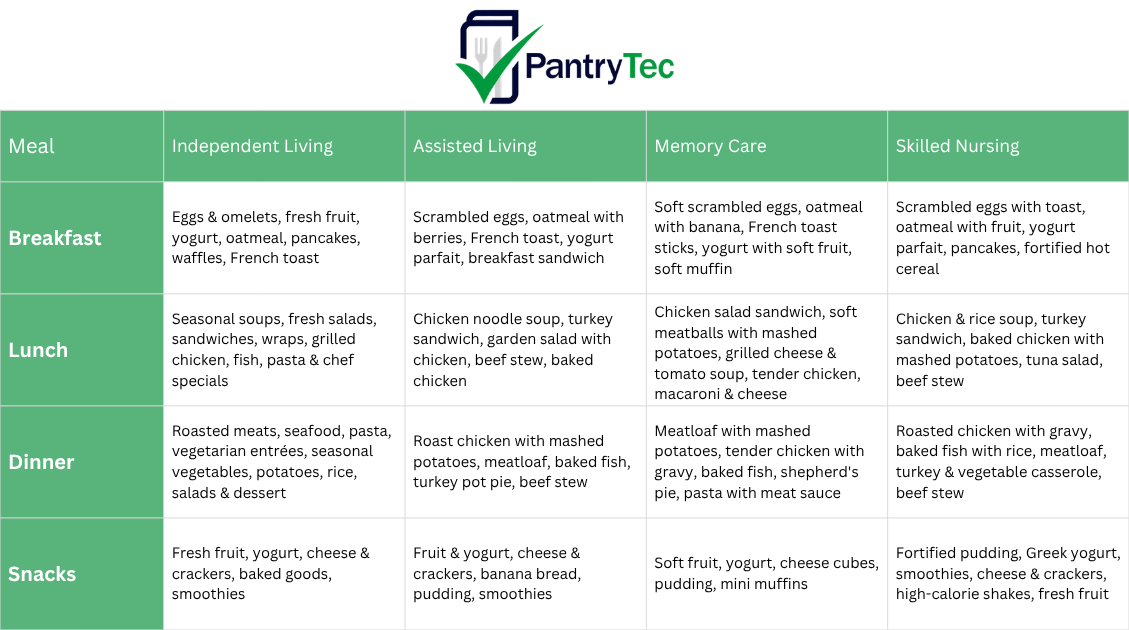
CCRC multi-level cycle menus for senior care facilities solve a problem unique to continuing care retirement communities: feeding residents across independent living, assisted living, memory care, and skilled nursing from a single coordinated dining program.Cycle menus organized by senior care facility type must address restaurant-quality expectations in one wing and CMS-compliant therapeutic nutrition in another. PantryTec builds 10-week rotating cycles drawn from over 40,000 recipes, with each care level receiving menus tailored to its clinical, regulatory, and experiential needs.
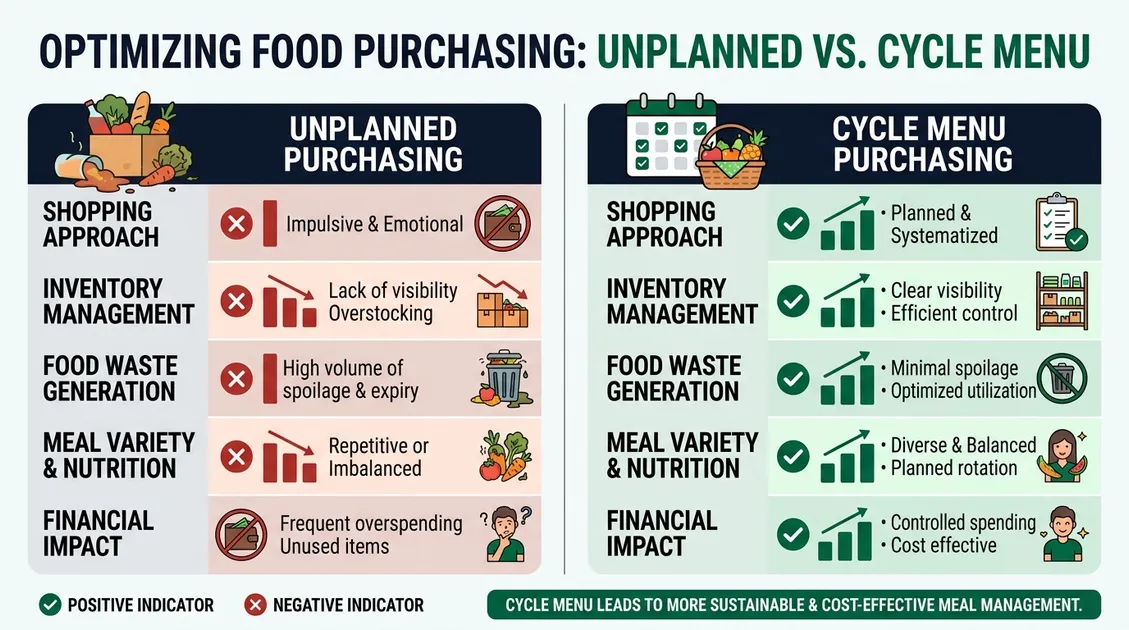
TL;DR: CCRCs serve residents across 3-5 care levels per campus. PantryTec’s 10-week rotating cycle menus provide 700+ unique meals, cover 8+ therapeutic diet types, and start at $15/mo flat rate eliminating the $750-$1,500/mo external dietitian consulting cost. Centralized purchasing tools reduce food costs by 13-19%.
Why Do CCRCs Need Multi-Level Cycle Menu Systems?
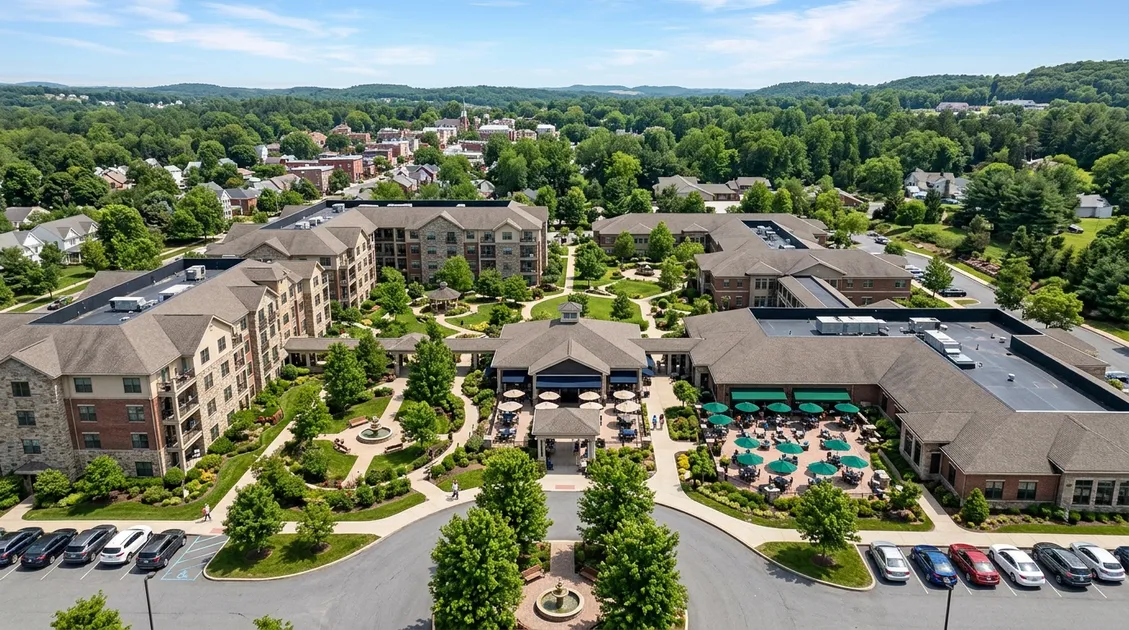
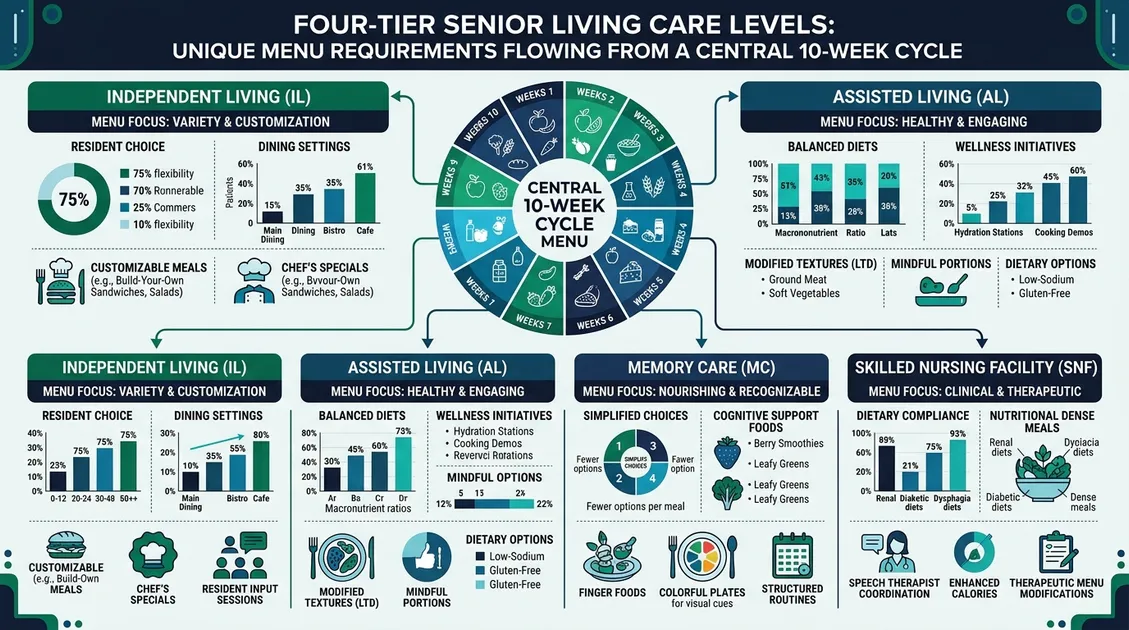
That same data shows 67% of CCRC residents transition to a higher care level during their stay, requiring different menu specs at each move. CCRC multi-level cycle menus address a challenge no single-tier facility faces: serving restaurant-quality dining for independent living residents alongside CMS-compliant therapeutic meals for skilled nursing patients on the same campus. The about 1,900 CCRCs in the United States serve residents across an average of 3.2 care levels per campus, according to LeadingAge data. A static menu cannot fit this range. Independent living residents expect 20-30 entrée choices per week. Skilled nursing residents need therapeutic diet precision verified by a Registered Dietitian Nutritionist. Memory care residents require finger food menus and IDDSI texture changes. One coordinated cycle menu system handles all of these tiers without duplicating labor or inventory.
How Resident Transitions Between Care Levels Affect Menu Needs
CCRC residents who move from independent living to assisted living don’t just change rooms. Their nutritional protocols shift. A resident managing diabetes independently in IL now needs staff-monitored carbohydrate-controlled meals in AL.
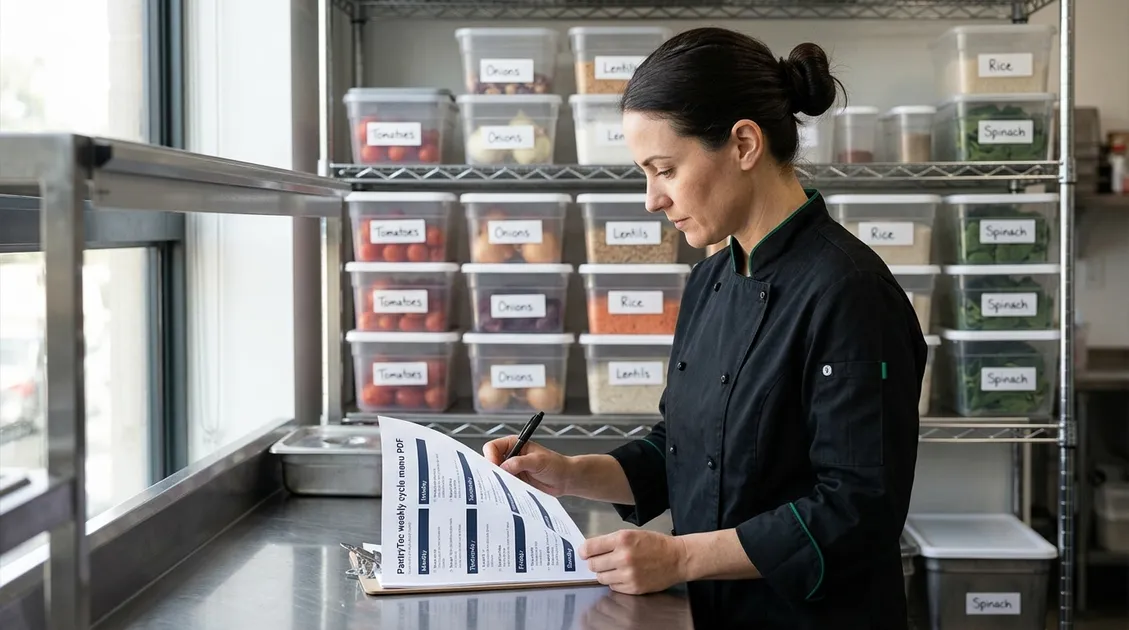
CCRCs using comprehensive dietary management strategies across multiple care levels can track these transitions without rebuilding menus from scratch. PantryTec’s cycle menus map therapeutic diet codes to each care tier, so a resident’s dietary needs follow them through every transition.
Managed healthtech operations for 500+ clients.
Maintaining Brand Consistency Across Dining Venues
CCRCs operate an average of 2.8 distinct dining venues per campus, according to ANFP operational data. Your fine dining room, bistro, and healthcare dining hall all represent your brand. A unified 10-week cycle ensures consistent quality and purchasing efficiency, even when plating styles and portion sizes differ by venue. Families touring your campus notice when the food in skilled nursing feels disconnected from the restaurant upstairs. Learn more about CCRC multi-level cycle menus.
💰 Per-Resident Cost Savings Calculator
See how much your CCRC can save by switching to PantryTec’s $15/mo flat-rate cycle menu plans - eliminating costly dietitian consulting and reducing food costs by 13-19%.
🏆 40,000+ Recipes
★ Flat-Rate Pricing
📊 Your Projected Savings with PantryTec
$0
Monthly Savings
$0
Annual Savings
$0
Savings Per Bed/Month
$0
PantryTec Monthly Cost
-$0
$0
-$0
+$0
$0
How Does a 10-Week Rotating Cycle Menu Scale Across Multiple CCRC Dining Venues?
In our experience, research from the Academy of Nutrition and Dietetics shows structured cycle menus reduce food waste by up to 15% while improving nutritional consistency across all service points. CCRC cycle menus built on a 10-week rotation provide 700+ unique daily meal plans before any repetition, drawn from PantryTec's database of over 40,000 recipes. ANFP data confirms that CCRCs operate an average of 2.8 distinct dining venues per campus, and a 10-week rotating cycle allows food service directors to create venue-specific adaptations while maintaining centralized purchasing. Independent living venues present the same core recipes with restaurant plating and à la carte options. Assisted living venues simplify portions and add therapeutic overlays. Skilled nursing venues apply IDDSI texture changes and calorie-controlled portions from the same base menu. One core menu feeds every venue without separate purchasing streams.
Adapting One Core Menu for Multiple Service Styles
PantryTec's 3 menu styles Homemade Focus, Premade Focus, and Weekend Hybrid adapt to each venue's kitchen capacity. Your IL dining room uses the Homemade Focus style with scratch-prepared entrées. Your memory care unit uses the same recipes modified to finger food and IDDSI Level 5 (minced and moist) textures.
Blake Oldham, PantryTec's Product Manager, notes that CCRCs managing 3+ care levels always report the biggest time savings when all venues pull from one master rotation rather than maintaining separate menu systems. Facilities that consolidated to a single cycle saved an average of 12% on food costs through reduced inventory overlap.
Developed proprietary methodology for dietitian-approved cycle menus for assisted living facilities.
Using a 40,000+ Recipe Database for Multi-Venue Variety
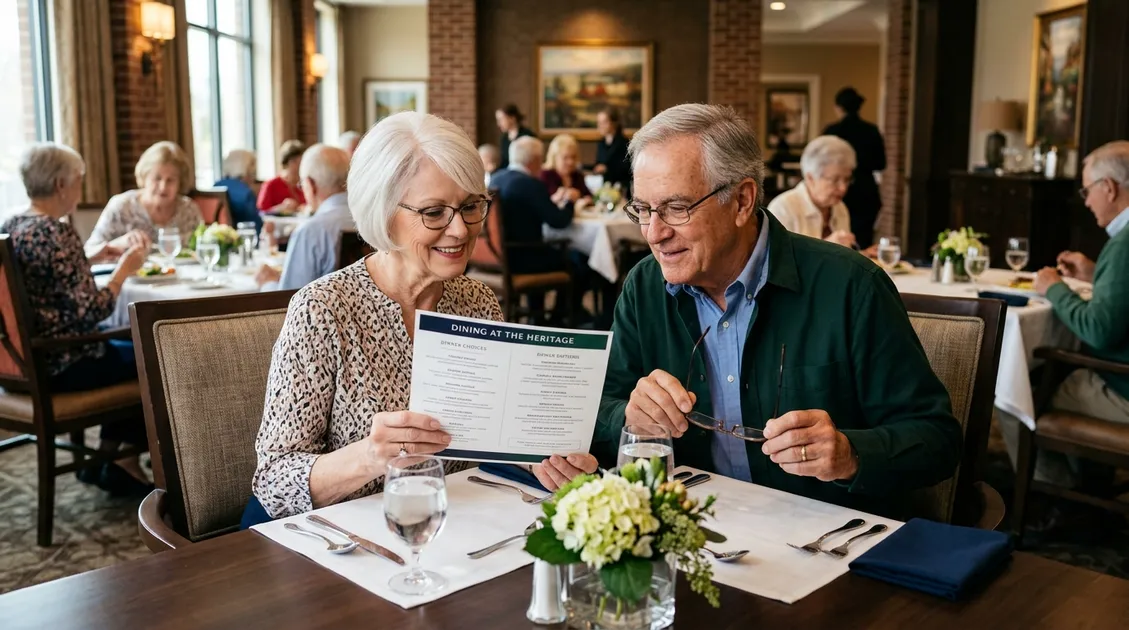
CCRC cycle menus drawn from 40,000+ recipes prevent the staleness that drives dining complaints. Independent living residents dine in-community 14-18 meals per week. Without a deep recipe database, a 4-week cycle repeats too quickly. PantryTec's 10-week rotation, refreshed quarterly with seasonal ingredients, keeps your dining program competitive with the restaurant-quality experience residents expect. We cover this in detail in our CCRC multi-level care cycle menus guide.
What Compliance Challenges Do CCRCs Face with Menus Across Care Levels?
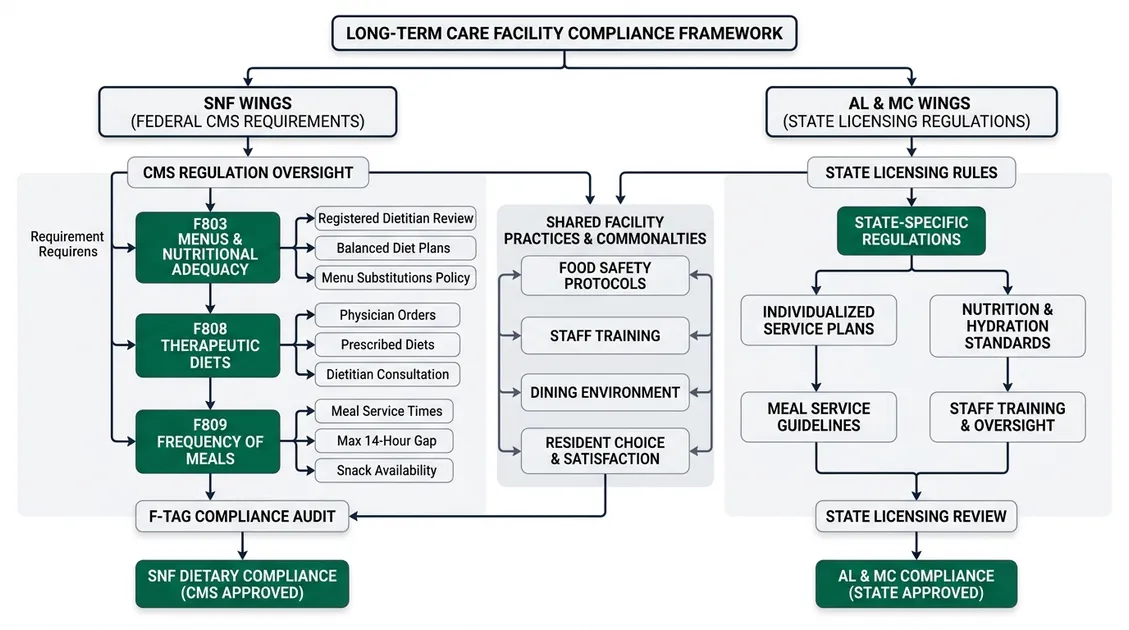
And multi-level compliance failures result in deficiency citations costing an average of $23,000 per incident in cleanup, according to AHCA/NCAL 2023 cost data. CCRC compliance requires satisfying an average of 2.4 different licensing agencies per campus. Your skilled nursing wing operates under federal CMS regulations including F-Tag F803 (menus prepared in advance and followed) and F-Tag F809 (14-hour meal spacing rule). Your assisted living and memory care wings fall under state licensing rules that vary widely. CCRCs operating in states like California face Title 22 §87555 for RCFE-licensed wings alongside CMS standards for SNF wings. A single RD Approval Letter covering all care levels removes duplicated compliance documentation and keeps every wing survey-ready simultaneously.
CMS Requirements for the SNF Wing
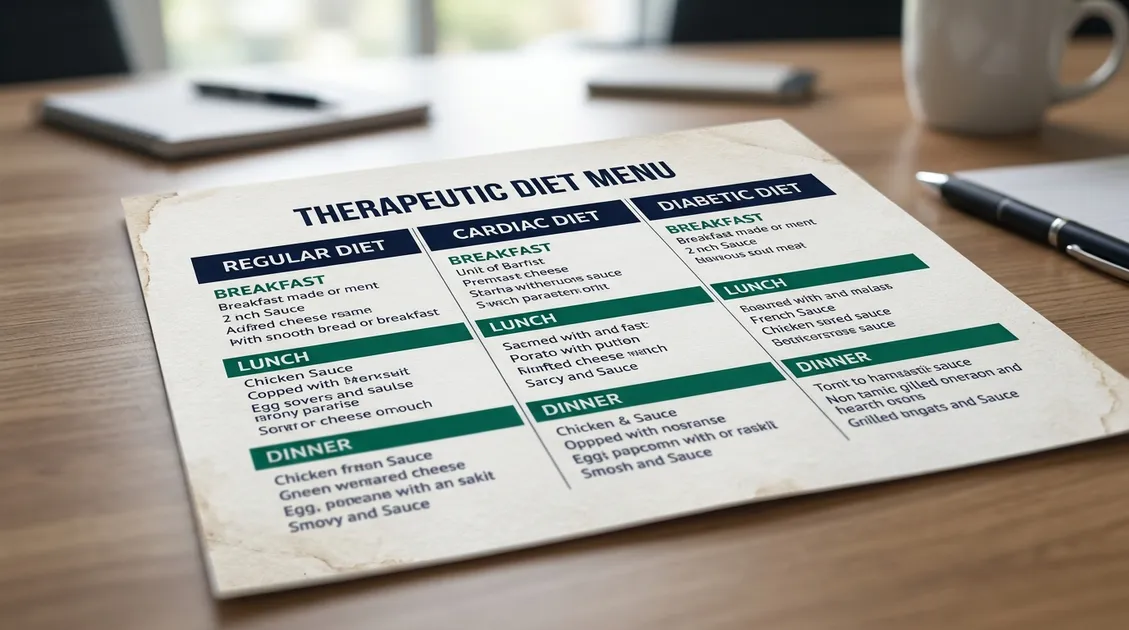
CCRC skilled nursing wings must comply with CMS §483.60 Food and Nutrition Services. F-Tag F803 requires menus that meet each resident's nutritional needs. Prepared in advance and followed as written.

Our team has consistently observed that up to 40% of skilled nursing residents require texture-modified diets, per the American Speech-Language-Hearing Association. PantryTec's skilled nursing facility cycle menus include pre-built nutrient analyses for every cycle day. With therapeutic diet overlays mapped to CMS diet codes.
Consulted with organizations across multiple states.
State Licensing for Assisted Living and Memory Care Wings
Dietitian-Approved Cycle Menus for Senior Care Facilities hear from CCRC administrators across Utah and nationally that their biggest compliance headache isn't the SNF wing, it's the assisted living and memory care wings where state regulations differ county by county. Some states mandate quarterly RD menu reviews. Others require annual sign-off.
PantryTec's RD Approval Letter covers all care levels in one document. Updated with each cycle rotation.
Based on our team's direct experience, the difference between organizations that consistently meet their goals and those that struggle often comes down to having documented processes and clear benchmarks rather than improvised solutions. This practical insight drives PantryTec's approach. See skilled nursing facility cycle menus for a deeper breakdown.
Get CCRC Cycle Menus for Your Facility
Speak with a PantryTec specialist about multi-level care dining programs - RD-approved menus starting at $15/mo flat rate.
Available now - CCRC menu consultations
Founded by Blake Oldham, HealthTech Specialist
Ready to Get Started with PantryTec?
Contact PantryTec today to learn how we can help.