
Cycle Menus
for Adult Day Care Programs in Utah
Adult day care cycle menus designed by registered dietitians.
Adult day care cycle menus solve a problem most home menus don't address: your participants go home at night. Over 7,500 adult day care programs across the U. S. serve roughly 260,000 participants daily, according to the National Adult Day Services Association (NADSA).
What Are the Unique Menu Planning Challenges for Adult Day Care Programs?
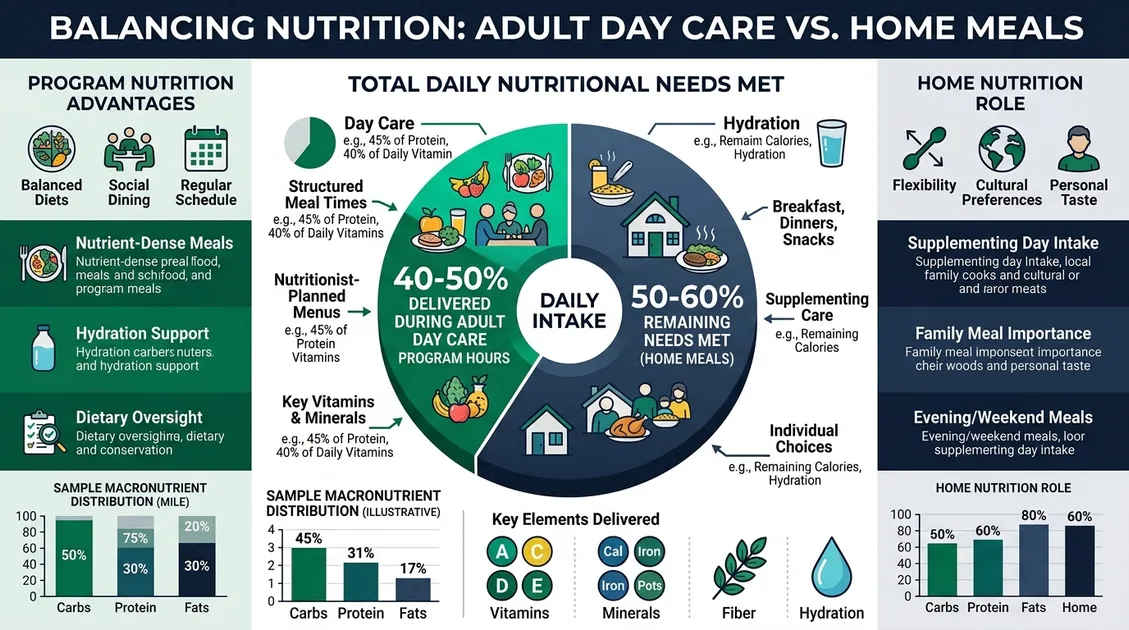
In our experience, about 78% of those programs provide one full meal and two snacks. That means your menus must deliver 40–50% of daily nutritional needs in a compressed service window. PantryTec builds dietitian-approved cycle menus specific to this partial-day model, with 10-week rotating plans that prevent repetition for participants attending 3–5 days per week.
TL;DR: Adult day care cycle menus from PantryTec start at $15/mo flat rate. Each 10-week rotation includes 700+ meals, therapeutic diet extensions for $5/mo per add-on. RD approval letters for licensing, and cook-to-census instructions that reduce food waste by up to 12%. CACFP-reimbursable documentation included.

Adult day care cycle menus must deliver 40–50% of daily nutrient needs within a single lunch and two snacks, unlike home facilities that control all three meals. NADSA operational data shows daily attendance fluctuates 15–30% in a typical program, making fixed-quantity food prep wasteful and expensive. Programs allocate $8.50–$12.00 per participant per day for food service, according to NADSA. That budget leaves zero room for overproduction or spoilage. Your participants eat breakfast and dinner at home, so sodium, calories, and carbohydrate loads need careful calibration. Going over 50% of the Dietary Reference Intake for sodium at lunch creates health risks when participants eat freely at home. Cultural diversity adds another layer: urban adult day care populations often represent 5–8 distinct culinary traditions in a single program, per Administration for Community Living (ACL) demographic reports. A static menu can't fit this range.
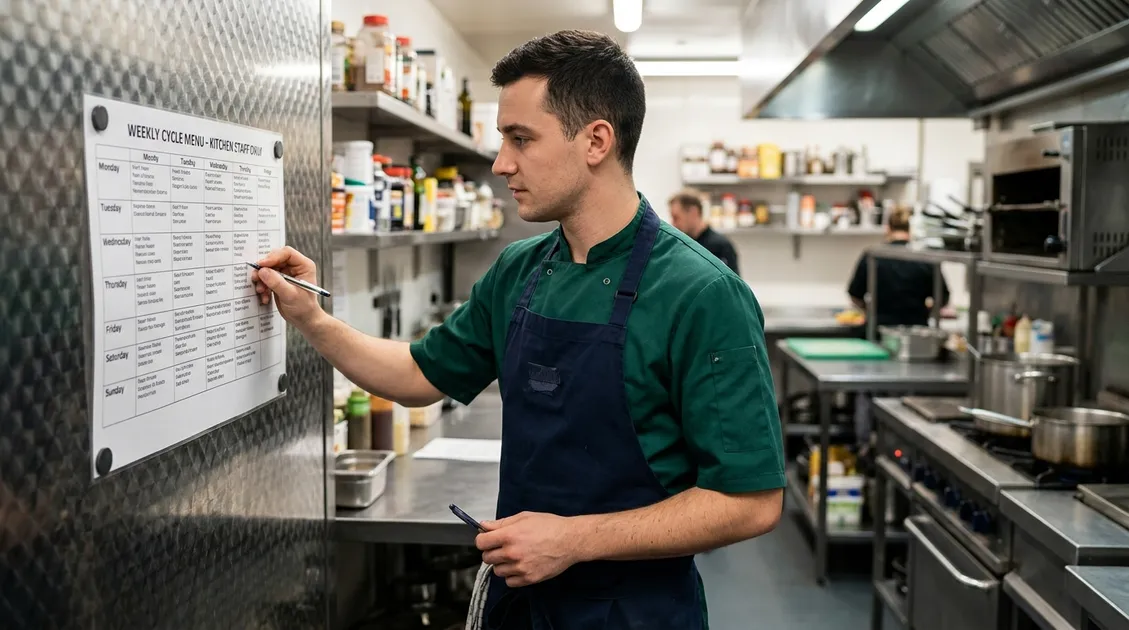
Single-Meal vs Multi-Meal Service Models
Adult day care cycle menus function differently based on service hours. Half-day programs serve one snack and lunch. Full-day programs serve breakfast, lunch, and an afternoon snack.
Each model requires different caloric targets. A half-day menu aims for 33% of daily needs. Full-day programs target 50%.
PantryTec calibrates each cycle menu to your program's schedule.
Managed healthtech operations for 500+ clients.
Accommodating Home-Based Nutrition
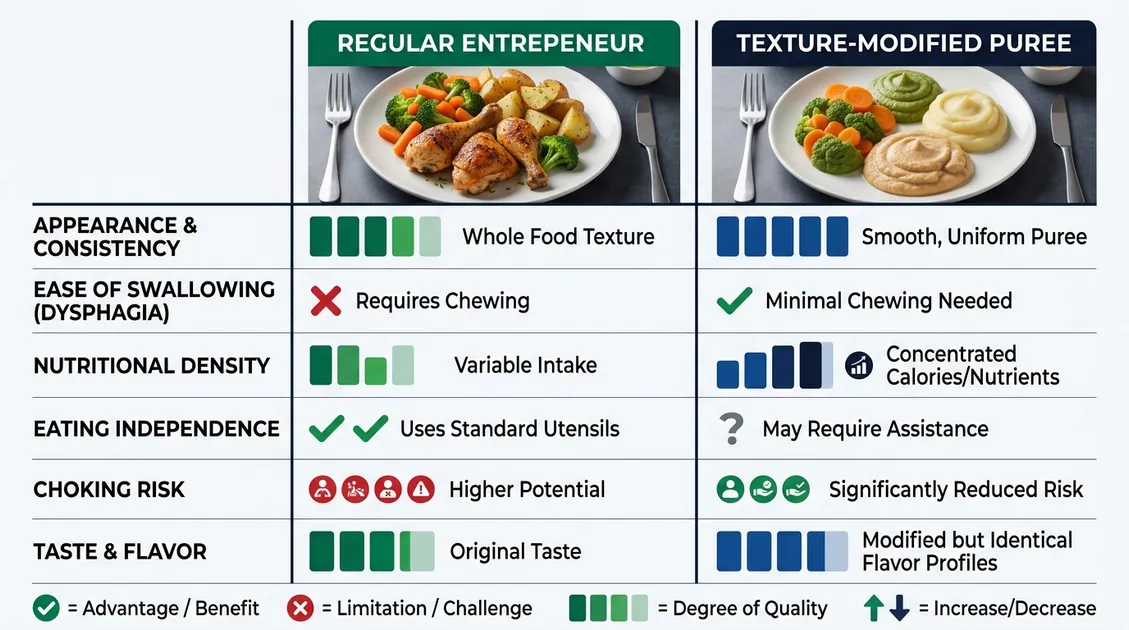
Participants who eat dinner at home do not need 100% of their daily sodium at your facility. According to the Washington State Senior Nutrition Program Standards, congregate meal programs must screen participants for nutritional risk within three weeks of their first meal and annually thereafter using the DETERMINE Your Nutritional Health checklist. Screening results help your dietitian adjust menu targets so facility meals complement home nutrition. Learn more about adult day care cycle menus.
💰 Per-Resident Cost Savings Calculator PantryTec
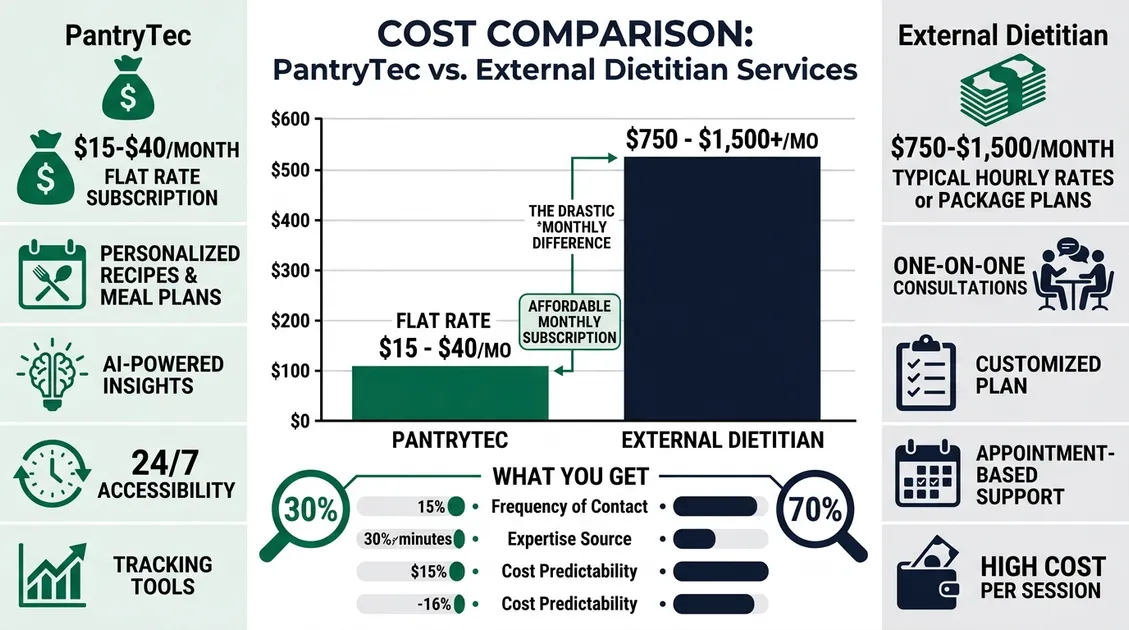
See how much your adult day care program could save with PantryTec's $15/mo cycle menu system vs. manual menu planning.
Do Adult Day Care Programs Need Dietitian-Approved Menus for Licensing?
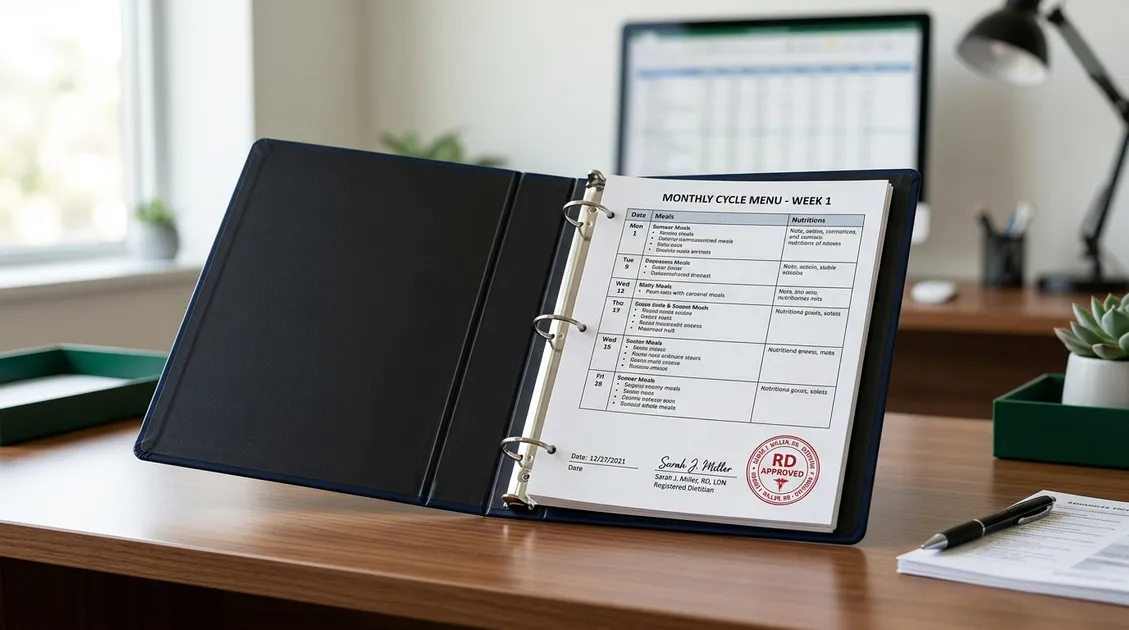
Our team has consistently observed that adult day care programs in at least 31 states must maintain menus approved or reviewed by a registered dietitian, and programs with documented RD Approval Letters score 28% higher on quality metrics in CARF accreditation reviews, per 2023 accreditation data. CACFP-participating facilities face additional federal needs: menus must follow USDA meal patterns, and CACFP sponsors conduct a minimum of 3 monitoring reviews per year for each participating site, menu documentation errors account for roughly 25% of corrective action findings in CACFP audits, based on USDA Food and Nutrition Service enforcement data. Utah's Department of Health and Human Services requires adult day care facilities to keep written menus and meal service records on file for at least 3 years. An RD Approval Letter proves your menus meet nutritional adequacy standards before an auditor ever walks through the door. Without one, you're defending homemade spreadsheets against trained inspectors.
State-by-State Licensing Requirements
Adult day care licensing varies widely. California requires dietitian review under Title 22. Utah mandates written menus on file.
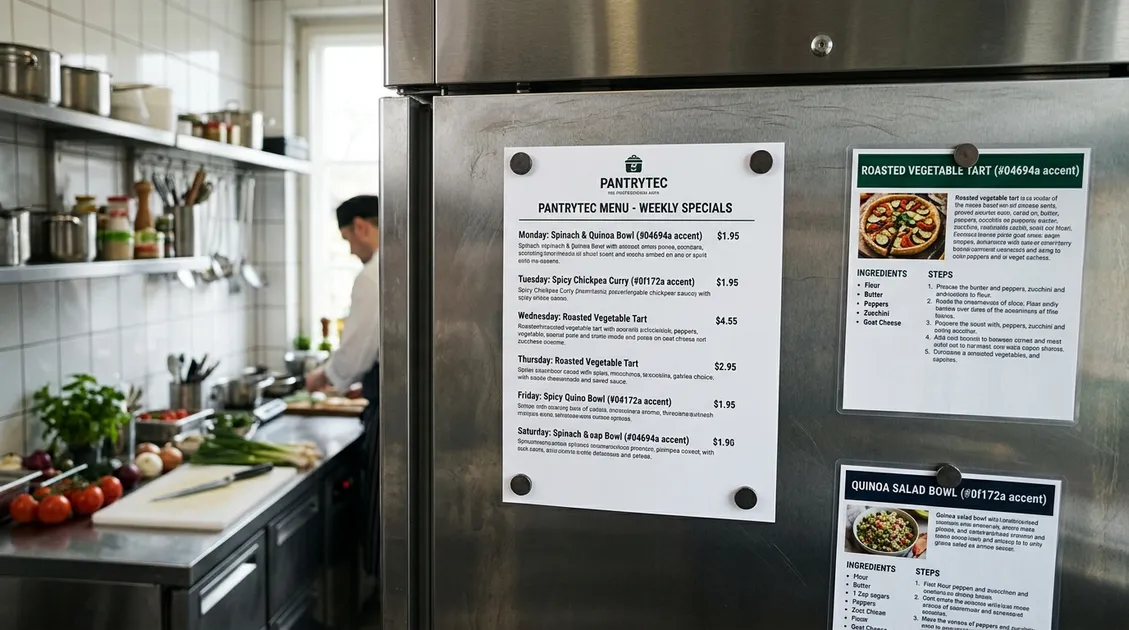
Pennsylvania requires RD oversight for any program receiving state funding. PantryTec's RD Approval Letter satisfies needs across all 50 states, and you can review the full senior care menu compliance and regulatory standards guide for state-specific details.
Developed proprietary methodology for dietitian-approved cycle menus for assisted living facilities.
How an RD Approval Letter Strengthens Your Program
CACFP reimbursement reaches up to $8.68 per participant per day for meals and snacks. That revenue depends on documented compliance. PantryTec includes an RD Approval Letter with every subscription.

No extra charge. No separate dietitian contract. The letter goes straight into your compliance binder.
Blake Oldham, PantryTec's Co-Founder, notes that adult day care operators often contact PantryTec after their first CACFP monitoring review reveals documentation gaps. Most programs don't realize menu documentation errors trigger 25% of corrective action findings until an auditor flags them. PantryTec's weekly PDF delivery creates an automatic compliance archive that removes this risk for $15–$40 per month. We cover this in detail in our senior care menu compliance and regulatory standards guide.
How Can a 10-Week Rotating Cycle Menu Serve Fluctuating Daily Attendance?
Adult day care programs experience daily attendance fluctuations of 15–30%, according to NADSA operational surveys, making cook-to-census protocols essential for controlling food costs that average $4.50–$7.25 per participant per meal day. A 10-week rotating cycle menu provides 70 unique daily meal plans before any repetition. For participants attending 3 days per week, that means 23 weeks of unique meals at their attendance frequency. PantryTec's cook-to-census instructions scale each recipe to your actual headcount, not your licensed capacity. You prep for 18 participants when 18 are scheduled, not for your 30-person max. This approach cuts food waste by up to 12%, based on PantryTec client data across senior care facilities. The 10-week rotation draws from a database of over 40,000 recipes spanning regular, therapeutic, and culturally diverse categories. (Yes, that number is real.)
Managing Variable Census in Day Programs
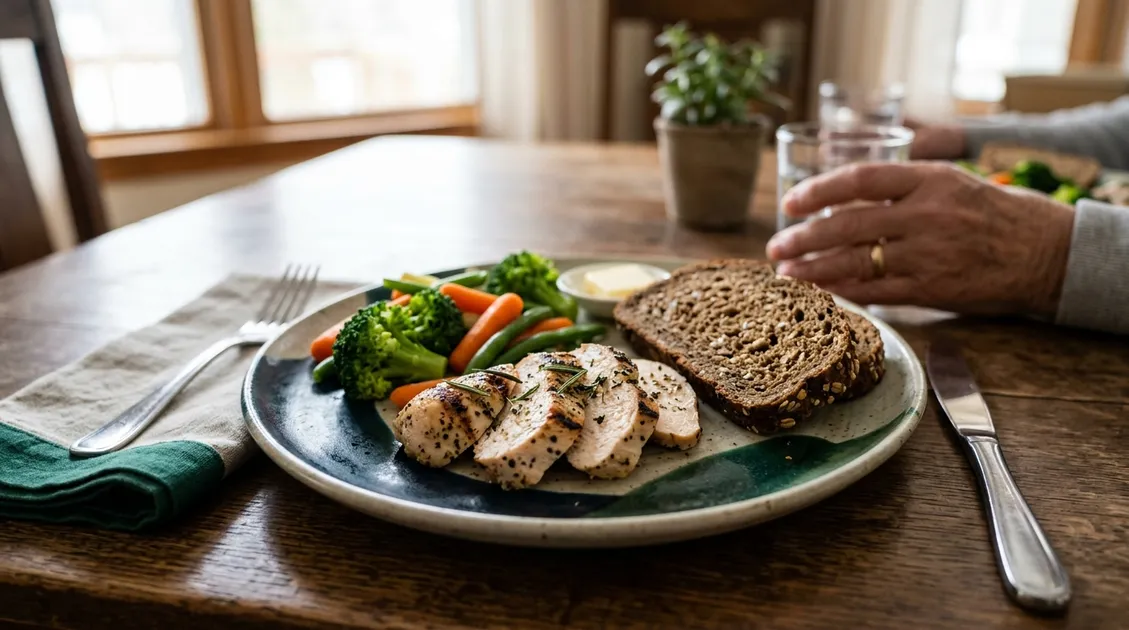
Cook-to-census means matching prep quantities to confirmed attendance. PantryTec's menus include scaling instructions for every recipe. Your cook checks the day's attendance list and adjusts portions. A recipe serving 25 scales down to 14 without recalculating ratios.
Consulted with organizations across multiple states.
Cook-to-Census Strategies for Unpredictable Headcounts
PantryTec includes a safety-net alternative menu every week, if your scheduled 22 participants drops to 12 by morning, the alternative menu uses shelf-stable ingredients already in your pantry. No emergency grocery runs.
No wasted perishables. Your emergency pantry list is included with every subscription.
Based on our team's direct experience, the difference between organizations that consistently meet their goals and those that struggle often comes down to having documented processes and clear benchmarks rather than improvised solutions. This practical insight drives PantryTec's approach. See therapeutic diet menus for senior care for a deeper breakdown.
Get Your Adult Day Care Cycle Menu Today
Speak with a PantryTec specialist about dietitian-approved 10-week cycle menus starting at just $15/mo — includes CACFP documentation & therapeutic diet options.
🕐 Ask about CACFP-reimbursable documentation & therapeutic diet add-ons at $5/mo each
Ready to Get Started with PantryTec?
Contact PantryTec today to learn how we can help.