
Cycle Menus
for Board & Care Homes in Utah
Board and care home cycle menus from $15/mo. Dietitian-approved, 10-week rotation, 8+ therapeutic diets, weekly PDF delivery. No contracts. Get a free sample.
In our experience, board and care home menus for senior care facilities must meet state licensing standards that 42 states enforce through mandatory dietitian review, according to American Health Care Association data. A 2023 GAO report found that 34% of board and care facilities received at least one dietary deficiency during inspections.
What Are the Menu Planning Requirements for Board and Care Homes?
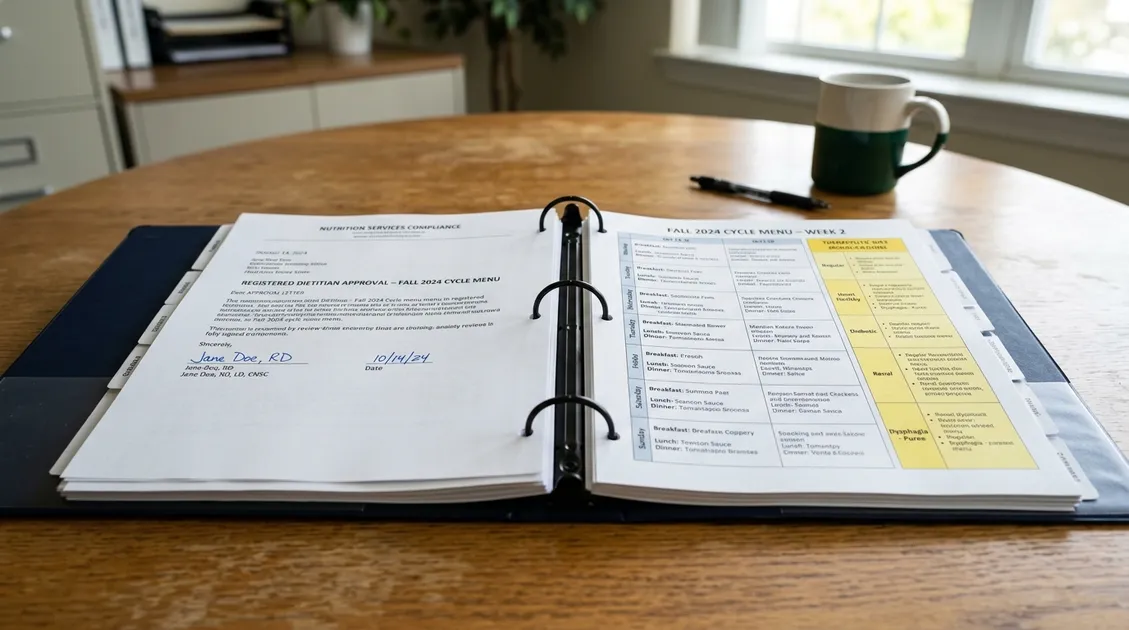
PantryTec delivers cycle menus by senior care facility type starting at $15 per month, with RD approval letters and therapeutic diet extensions included. No software to learn, no contracts to sign.
TL;DR: Board and care homes need dietitian-approved cycle menus to pass state surveys. PantryTec plans start at $15/mo flat, not per-resident. Each subscription covers 8+ therapeutic diets, a 10-week rotation with 700+ meals before repeating.
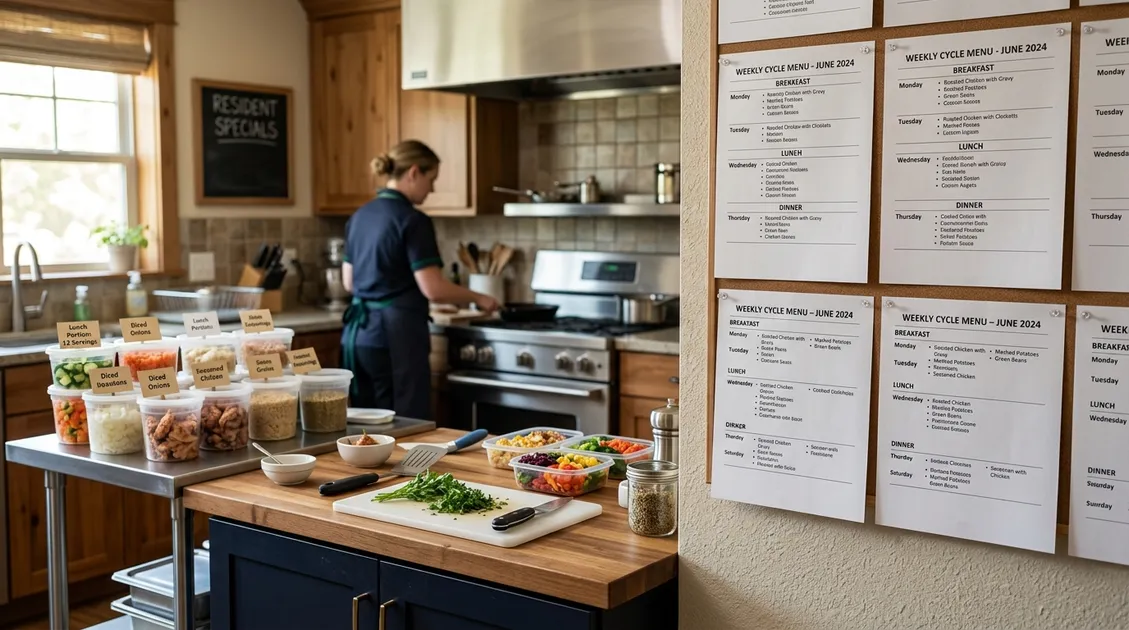
And an RD Approval Letter for your compliance binder, operators save 8–12 hours weekly on meal planning.
These homes serve 4–20 residents under regulations distinct from skilled nursing facilities and assisted living communities. Board and care home cycle menus must satisfy state-specific licensing rules that require written meal plans reviewed by a Registered Dietitian Nutritionist in 42 states, based on AHCA licensing data. Utah’s R432-270 standards require documented menus, therapeutic diet accommodations, and a 3-day emergency food supply scaled to current census. Facilities without dietitian-reviewed menus face conditional licensing, fines from $500 to $10,000 per incident, and plan-of-correction orders that consume 20–40 administrative hours. PantryTec includes an RD Approval Letter with every subscription, eliminating the $750–$1,500 monthly cost of hiring an external dietitian consultant. Board and care operators receive survey-ready compliance documentation alongside weekly cycle menus delivered as print-ready PDFs. You don’t need to learn menu planning software or manage complex nutritional calculations.
State Licensing Standards for Board and Care Dining
Board and care homes fall under different regulatory frameworks than cycle menus for small group homes, even though both serve small home populations. CMS F-Tag F803 mandates that menus be prepared in advance and followed during meal service. State health departments verify this documentation during annual inspections and complaint-driven investigations.
Your compliance binder should contain the current cycle menu. An RD Approval Letter dated within 12 months, therapeutic diet documentation for each resident, and a substitution log for any menu changes.
Managed healthtech operations for 500+ clients.
How Board and Care Differs from Group Homes and RCFEs
Board and care homes occupy a specific niche in the senior care continuum. Group homes serve 6–16 residents with less clinical oversight. RCFEs operate under California’s Title 22 with stricter documentation needs.
Board and care licensing varies by state, but the dietary mandate is consistent: serve nutritionally adequate meals planned by or reviewed by a credentialed professional. Missing this requirement is the fastest path to a deficiency citation. Learn more about board and care home menus.
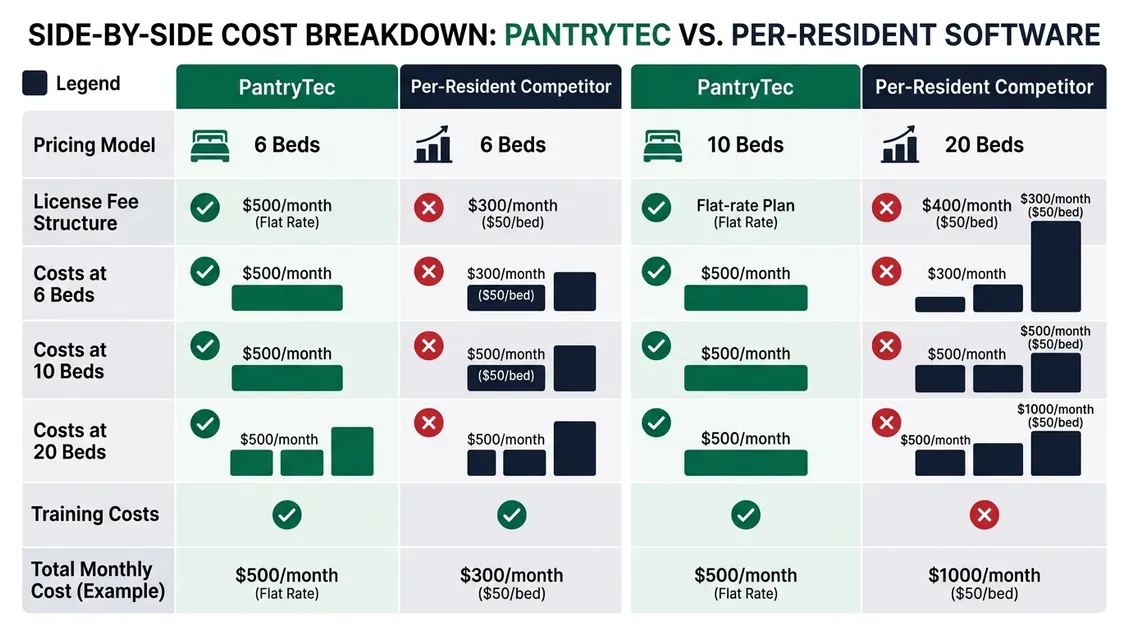
💰 Per-Resident Cost Savings Calculator
See how much your board & care home could save on menu planning with PantryTec’s $15/mo flat-rate plans vs. in-house planning or per-resident competitors.
Based on real industry cost dataHow Do Board and Care Home Cycle Menus Work?
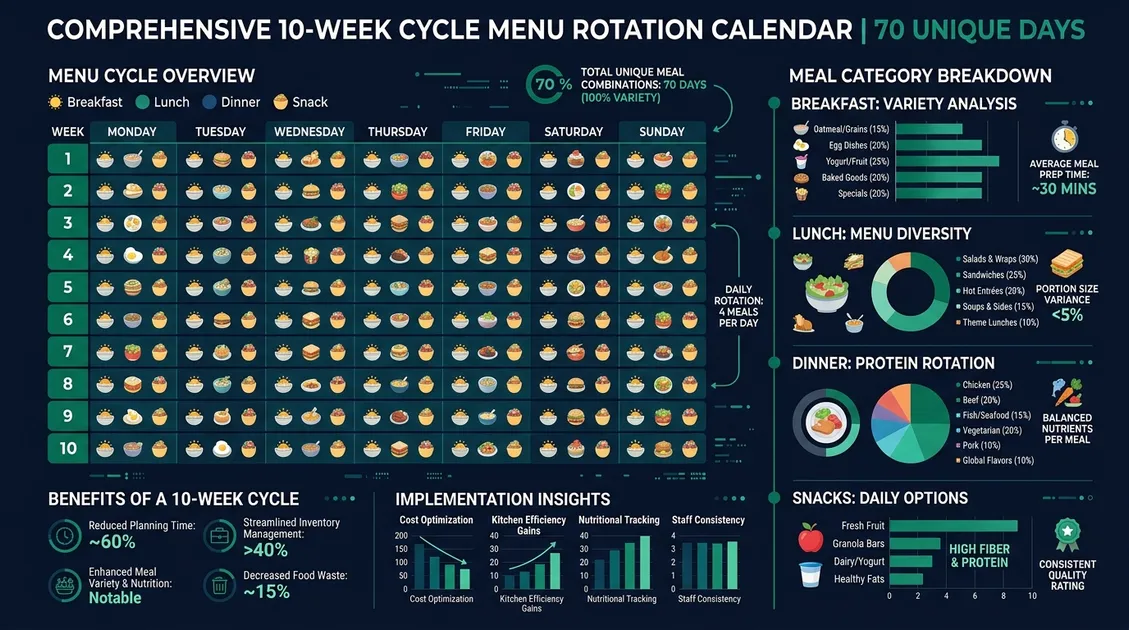
Research from the Academy of Nutrition and Dietetics shows that rotating cycles of 8 weeks or longer reduce resident meal complaints by 27–40% compared to shorter 4-week rotations. Board and care home cycle menus rotate on a 10-week schedule, providing 3 meals per day plus snacks across 700+ unique meal combinations before any dish repeats. PantryTec builds each rotation from a database of over 40,000 recipes covering regular, therapeutic, and texture-modified categories. Each week, your facility receives a PDF package containing the upcoming menu, standardized recipes scaled to your census, a shopping list with wholesale price comparisons across Sysco, US Foods, Walmart, and Amazon, and cook-to-census instructions that match portions to your exact headcount. This print-and-post workflow requires zero software training. A 10-week cycle hits the balance between variety and operational simplicity.
How PantryTec Delivers Your Menus
Choose Your Plan
Our team has consistently observed that select Starter ($15/mo), Complete ($20/mo), or Premier ($40/mo) based on your dietary complexity needs. No contracts or setup fees.
Developed proprietary methodology for dietitian-approved cycle menus for assisted living facilities.
Receive Weekly PDFs
Menus, recipes, shopping lists, and cook-to-census instructions arrive in your inbox every week.
Print and post in your kitchen.
Stay Survey-Ready
Your RD Approval Letter and compliance documentation are included. File them in your binder for instant access during inspections.
Seasonal Adjustments and Menu Variety
Cycle menus update quarterly to reflect seasonal ingredient availability, holiday meals for Thanksgiving and Christmas, and resident feedback. Every week also includes a safety-net alternative menu in case a primary ingredient is unavailable. You always have a backup plan. Which prevents emergency grocery runs that cost $25–$50 in mileage and labor per trip. We cover this in detail in our cycle menus for board and care homes guide.
How Can Board and Care Homes Serve Therapeutic Diets Without a Professional Kitchen?
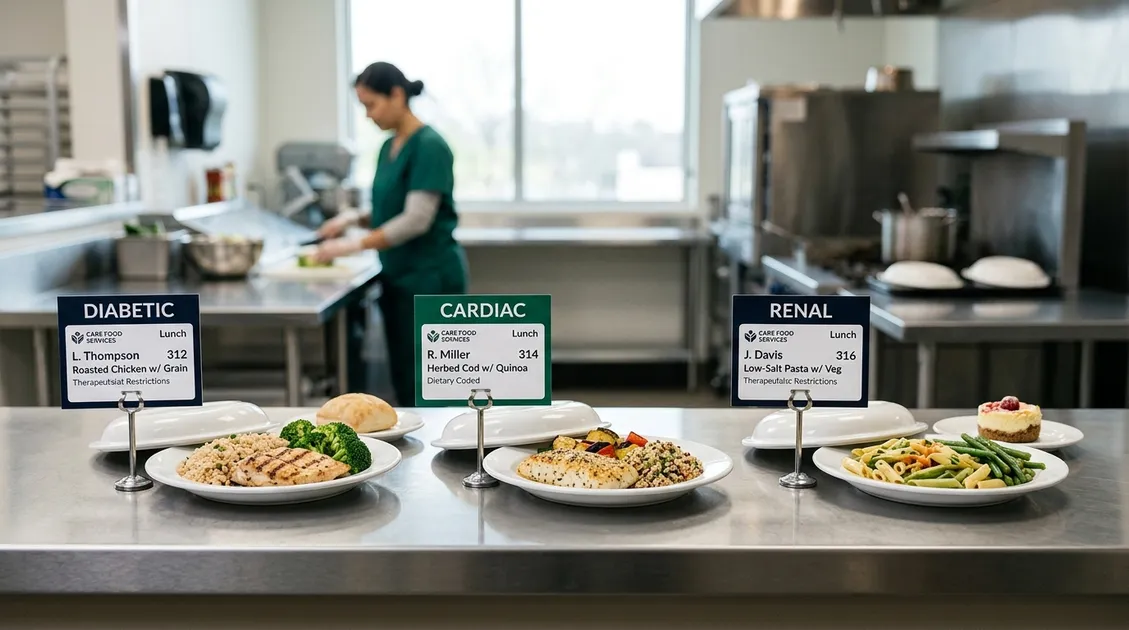
Because 76% of these facilities operate with home kitchens and caregivers rather than trained cooks, based on ANFP operational data, yet 58% of board and care residents require at least one therapeutic diet change. Board and care home therapeutic diets require simplified preparation methods. PantryTec's cycle menus extend from a single base menu into 8+ therapeutic tracks: diabetic and consistent-carb, renal, cardiac and low-sodium, pureed (IDDSI Level 4), minced and moist (IDDSI Level 5), soft and bite-sized, high-calorie, and gluten-free. Each therapeutic overlay comes with step-by-step change instructions written for non-culinary staff. Congestive heart failure residents, for example, need sodium intake restricted to 1,500 mg per day or less, per American Heart Association guidelines. About 6.7 million American adults live with heart failure, making CHF one of the most common diet orders in home care.

Sodium-Restricted Meal Planning for CHF
Board and care home cycle menus targeting CHF residents limit sodium to 1,500 mg daily while maintaining adequate potassium and fluid balance. Sodium-restricted cycle menus can reduce CHF-related hospital readmissions by up to 27%, according to AHA clinical data. PantryTec's cardiac and low-sodium menu extensions pre-calculate sodium content for every meal, removing guesswork from your kitchen.
Consulted with organizations across multiple states.
Blake Oldham, PantryTec's Co-Founder, notes that the most common compliance gap in board and care homes is listing dietary restrictions on a standard menu rather than planning complete therapeutic meals in advance. State surveyors look for pre-planned therapeutic menus with documented nutritional analysis, not a handwritten note saying "low salt" beside a regular entrée. Facilities that make this mistake account for a large share of dietary deficiency citations.
Simplifying Therapeutic Modifications for Non-Chef Staff
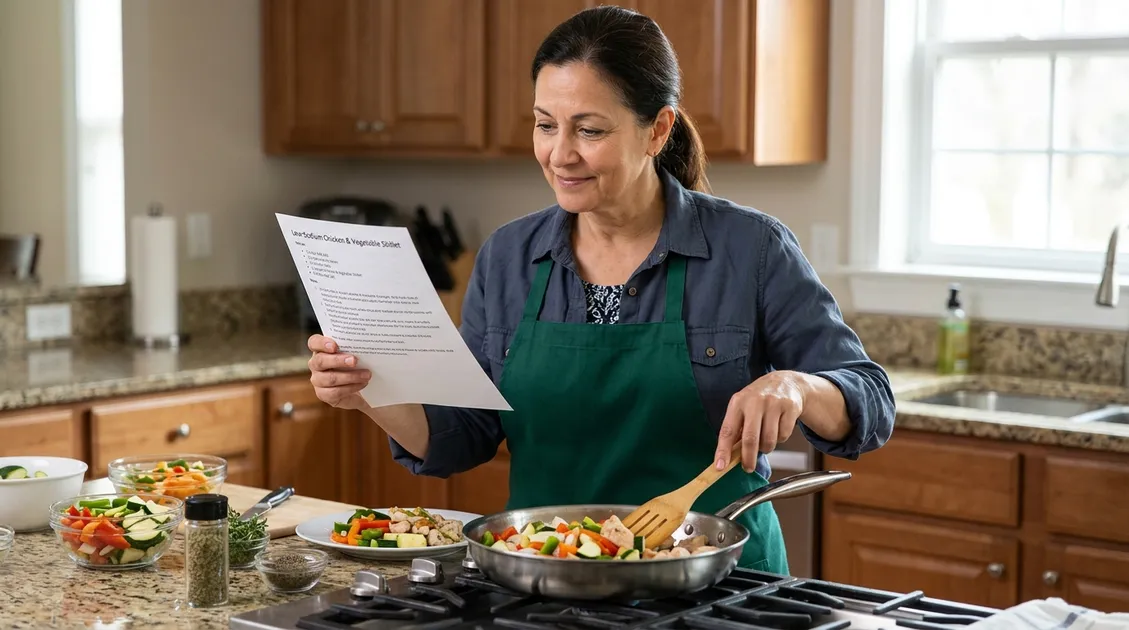
Therapeutic diet menus from PantryTec include standardized recipes with portion control built in. Each recipe lists exact measurements, cooking times, and substitution options. Your caregiver doesn't need culinary training.
They follow the printed instructions. For board and care homes managing residents with CHF, diabetes, and dysphagia simultaneously, the system produces separate tray cards for each diet order from the same base ingredients.
Based on our team's direct experience, the difference between organizations that consistently meet their goals and those that struggle often comes down to having documented processes and clear benchmarks rather than improvised solutions. This practical insight drives PantryTec's approach. See food cost management for senior care facilities for a deeper breakdown.
Get Survey-Ready Cycle Menus for Your Board & Care Home
Speak with PantryTec about RD-approved cycle menus, therapeutic diet coverage, and state compliance — no contracts required.
Save 8–12 hours weekly on meal planning · RD Approval Letter included · 42-state compliance coverage
Ready to Get Started with PantryTec?
Contact PantryTec today to learn how we can help.